
Persistent Dehydration in Silverdale: When IV Hydration May Help
Recognizing dehydration early can make recovery faster and more comfortable. Dehydration is often expected to improve with rest and increased fluid intake. However, in some cases, symptoms may persist despite drinking water and electrolyte beverages, which can indicate that the body requires more direct support to restore fluid balance.
For individuals in Silverdale and across the Kitsap Peninsula, understanding when dehydration goes beyond mild—and when additional support may be helpful—is an important part of recovery. AQUA MD Mobile IV hydration therapy in Bremerton provides physician-directed, in-home care designed to restore fluids, replenish electrolytes, and support recovery when oral hydration isn’t enough.
Serving Bremerton, Silverdale, Poulsbo, Port Orchard, Bainbridge Island, and the greater Kitsap County, AQUA MD delivers mobile IV therapy directly to you—helping support hydration, electrolyte balance, and overall recovery in the comfort of your home.

What Is Persistent Dehydration?
Persistent dehydration refers to ongoing symptoms of fluid deficit that do not resolve with typical oral hydration. This may occur when fluid losses continue or when the body is unable to adequately absorb or retain fluids.
Common contributing factors include:
- Gastrointestinal illness (vomiting or diarrhea)
- Fever or systemic infection
- Alcohol-related dehydration
- Prolonged physical exertion
- Travel-related fatigue or inadequate intake
According to the Centers for Disease Control and Prevention, dehydration can occur rapidly when fluid losses exceed intake, particularly during illness or heat exposure [1].
Signs Dehydration May Be Ongoing
While mild dehydration may improve with fluids, persistent dehydration can present with more prolonged or worsening symptoms:
- Continued fatigue or low energy
- Headaches or migraines
- Dizziness or lightheadedness
- Difficulty concentrating (“brain fog”)
- Dry mouth or reduced urination
- Nausea or inability to tolerate fluids

The Mayo Clinic notes that dehydration can affect both physical and cognitive function, even at mild to moderate levels [2].
Dehydration can also contribute to headaches—explore our migraine and headache IV therapy for additional support.

Why Oral Hydration May Not Be Enough
Drinking fluids is typically effective for mild dehydration, but there are important limitations:
- Absorption through the gastrointestinal tract can be slow
- Nausea or vomiting may prevent adequate intake
- Electrolyte imbalances may not be corrected with water alone
- Ongoing fluid losses may outpace intake
Clinical literature shows that oral rehydration depends on intact gastrointestinal absorption, which may be impaired during illness [3].
How IV Hydration Supports Recovery
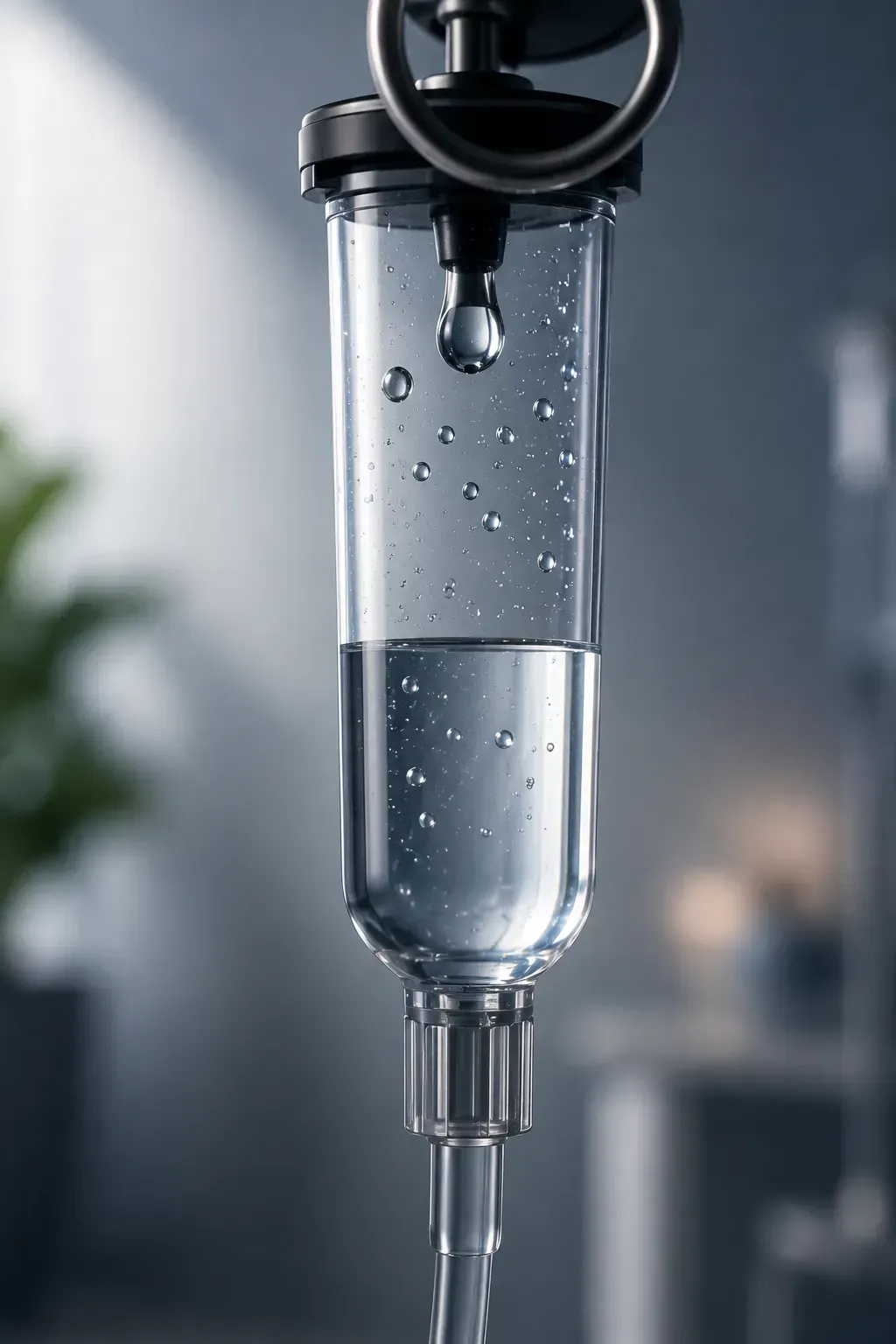
IV hydration delivers fluids and electrolytes directly into the bloodstream, bypassing the digestive system entirely.
This allows:
- Immediate fluid availability
- More efficient electrolyte replenishment
- Faster support for hydration status
According to StatPearls, intravenous fluid therapy is commonly used when rapid or reliable rehydration is needed, particularly when oral intake is insufficient [3].
Additionally, Cleveland Clinic notes that IV fluids can be beneficial in cases of moderate to severe dehydration or when patients cannot tolerate oral fluids [4].
At AQUA MD, treatments such as AQUA Recovery STAT are designed to support hydration while also providing targeted nutrients that may help with symptom relief, energy support, and overall recovery during periods of dehydration
When People in Silverdale Consider IV Hydration
Mobile IV therapy may be considered when:
- Dehydration symptoms persist despite drinking fluids
- Illness limits the ability to keep fluids down
- Recovery from travel, illness, or exertion is prolonged
- Symptoms interfere with daily function
If dehydration is related to illness, read:
“Don’t Let Illness Linger: Mobile IV Therapy in Bremerton for Faster Recovery”
For general hydration decisions, see:
“Mobile IV Therapy in Silverdale: When In-Home Hydration Makes Sense”
Your original dehydration foundation:
“Dehydrated and Drained? When Mobile IV Therapy in Bremerton Can Help”
What to Expect from Mobile IV Therapy in Silverdale
AQUA MD provides physician-directed mobile IV therapy throughout Silverdale and the Kitsap Peninsula, allowing patients to receive care in a comfortable setting.
A typical visit includes:
- Medical screening and assessment
- Individualized treatment planning
- IV placement by a licensed professional
- Infusion lasting approximately 30–60 minutes
This allows patients to rest while receiving hydration support without needing to visit urgent care or the emergency department.
Supporting Safe, Physician-Directed Care
Hydration therapy should be delivered with appropriate clinical oversight. AQUA MD provides physician-directed mobile IV therapy, ensuring:
- Medical evaluation prior to treatment
- Individualized care based on symptoms
- Licensed professionals administering therapy
- Emphasis on safety and appropriate use
Conclusion
Persistent dehydration can affect energy, comfort, and recovery—especially when oral hydration is not sufficient. Recognizing when symptoms go beyond mild dehydration can help guide appropriate next steps.
For individuals in Silverdale, mobile IV therapy offers a convenient, physician-directed option to support hydration and recovery when additional support may be needed.
References
[1] Centers for Disease Control and Prevention (CDC). Water and Healthier Drinks.
https://www.cdc.gov/healthywater/drinking/nutrition/index.html
[2] Mayo Clinic. Dehydration – Symptoms and Causes.
https://www.mayoclinic.org/diseases-conditions/dehydration/symptoms-causes/syc-20354086
[3] StatPearls / NCBI. Fluid Management and IV Therapy.
https://www.ncbi.nlm.nih.gov/books/NBK470386/
[4] Cleveland Clinic. Dehydration: Symptoms & Treatment.
https://my.clevelandclinic.org/health/diseases/9013-dehydration
Frequently Asked Questions
1. What is persistent dehydration?
Persistent dehydration refers to symptoms that continue despite drinking fluids, often due to ongoing fluid loss or reduced absorption.
2. When should IV hydration be considered?
IV hydration may be considered when symptoms persist, oral intake is limited, or faster rehydration is needed.
3. How quickly does IV hydration work?
Because fluids are delivered directly into the bloodstream, many individuals begin to notice improvement during or shortly after treatment.
4. Is mobile IV therapy available in Silverdale?
Yes. AQUA MD provides physician-directed mobile IV therapy throughout Silverdale and the Kitsap Peninsula.
5. How long does treatment take?
Most IV hydration sessions take approximately 30–60 minutes depending on individual needs.