When to Seek Emergency Care (Very Important)
IV therapy at home is
not appropriate if you have:
- Inability to stay awake or confusion
- Signs of severe dehydration (minimal urination, severe weakness)
- Blood in stool or vomit
- High fever (>102°F persistent)
- Severe abdominal pain
- High-risk conditions (elderly, immunocompromised, recent surgery)
These situations require evaluation in an emergency department [1].
Preventing Spread (Especially Norovirus)
Norovirus spreads easily—protect others by:
- Washing hands thoroughly with soap and water
- Disinfecting surfaces (bleach-based cleaners recommended)
- Avoiding food preparation while symptomatic
- Staying home until symptoms resolve
Norovirus can remain contagious even after symptoms improve [2].
Mobile IV Therapy in Kitsap County
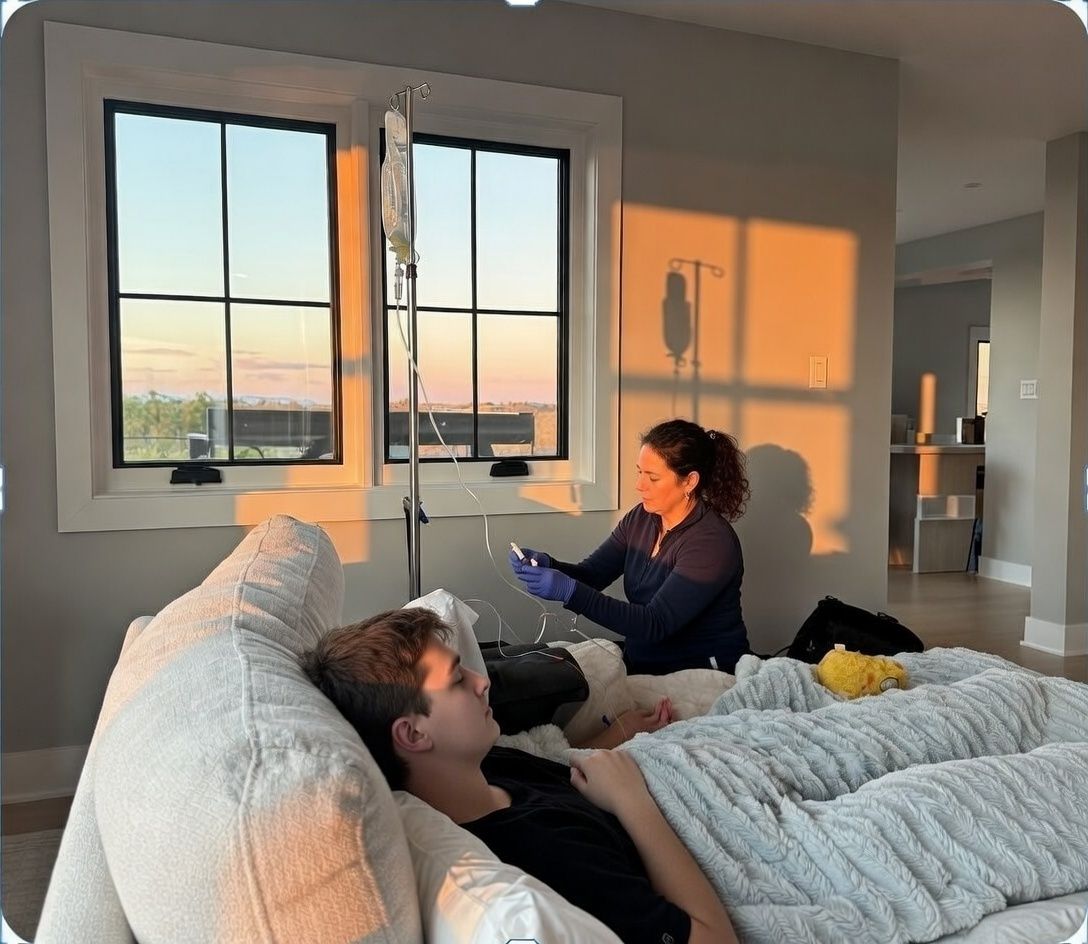
If you’re dealing with dehydration, nausea, or fatigue from a gastrointestinal illness, mobile IV therapy may help support recovery in a comfortable, at-home setting.
AQUA MD provides
physician-directed mobile IV therapy across:
- Bremerton
- Silverdale
- Poulsbo
- Port Orchard
- Bainbridge Island
- Gig Harbor
- Greater Kitsap County
Same-day availability may be possible depending on scheduling.
Final Thoughts
Food poisoning and norovirus are common but can feel debilitating. While many cases resolve with rest and hydration, some situations may benefit from additional support—especially when dehydration becomes significant.
Mobile IV therapy offers a convenient way to help support hydration, electrolyte balance, and recovery—without needing to leave home.
References
[1] Centers for Disease Control and Prevention (CDC). Norovirus: Clinical Overview and Prevention.
https://www.cdc.gov/norovirus/about/index.html
[2] Centers for Disease Control and Prevention (CDC). Foodborne Illness & Norovirus Overview (includes dehydration guidance).
https://www.cdc.gov/norovirus/index.html
[3] National Institutes of Health (NIH / peer-reviewed source). Oral vs Intravenous Rehydration in Acute Gastroenteritis.
https://pmc.ncbi.nlm.nih.gov/articles/PMC8007205/
Frequently Asked Questions
1. How do I know if I have food poisoning or norovirus?
Food poisoning and norovirus can cause very similar symptoms, including nausea, vomiting, diarrhea, and fatigue. Food poisoning is often linked to something you ate, while norovirus is highly contagious and can spread quickly between people. In many cases, it may not be possible to tell the difference without testing, and treatment focuses on hydration and symptom support.
2. When should I consider IV hydration for vomiting and diarrhea?
IV hydration may be considered if you are unable to keep fluids down, have ongoing vomiting or diarrhea, feel dizzy or weak, or are not improving with oral hydration. IV therapy delivers fluids and electrolytes directly into the bloodstream, which may help support faster rehydration in moderate cases.
3. Is mobile IV therapy safe for stomach flu or food poisoning?
When performed by licensed medical professionals following proper screening and protocols, mobile IV therapy can be a safe option for supporting hydration and symptom relief in non-emergency situations. However, it is not a substitute for hospital care, and patients with severe symptoms should seek emergency evaluation.
4. What is included in AQUA Recovery MAX IV therapy?
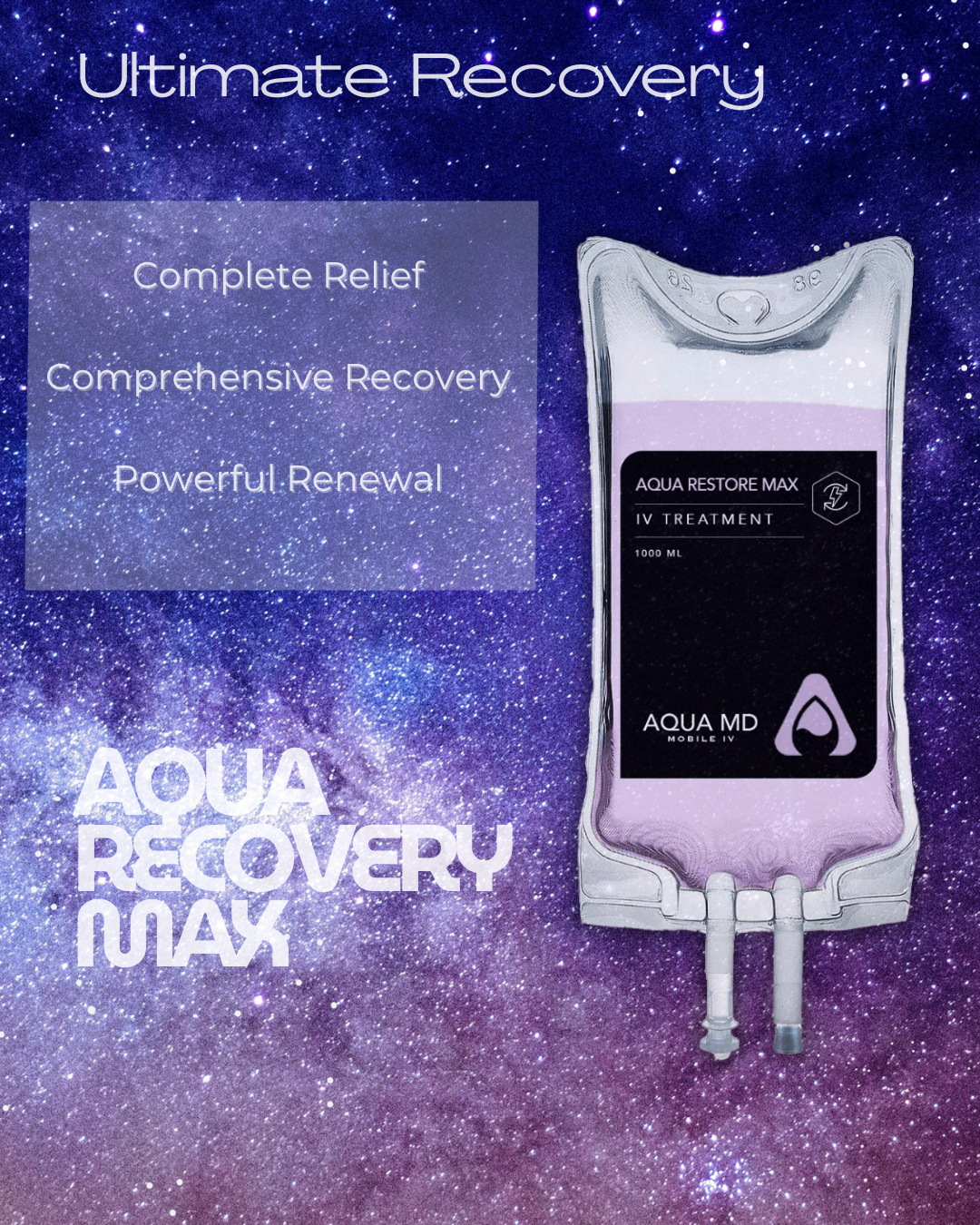
AQUA Recovery MAX IV Therapy is a comprehensive hydration formula designed to support recovery from dehydration, nausea, and fatigue. It may include IV fluids, electrolytes, vitamin C, B-complex vitamins, magnesium, zinc, and supportive medications such as anti-nausea or anti-inflammatory agents depending on clinical assessment. This type of therapy is often used when symptoms are more intense or when basic hydration alone is not enough.
5. Do you offer mobile IV therapy near me in Kitsap County?
Yes, AQUA MD provides mobile IV therapy services throughout Kitsap County, including Bremerton, Silverdale, Poulsbo, Port Orchard, Bainbridge Island, Gig Harbor, and surrounding areas. Treatments are delivered in the comfort of your home, with physician-directed care and personalized IV therapy options.