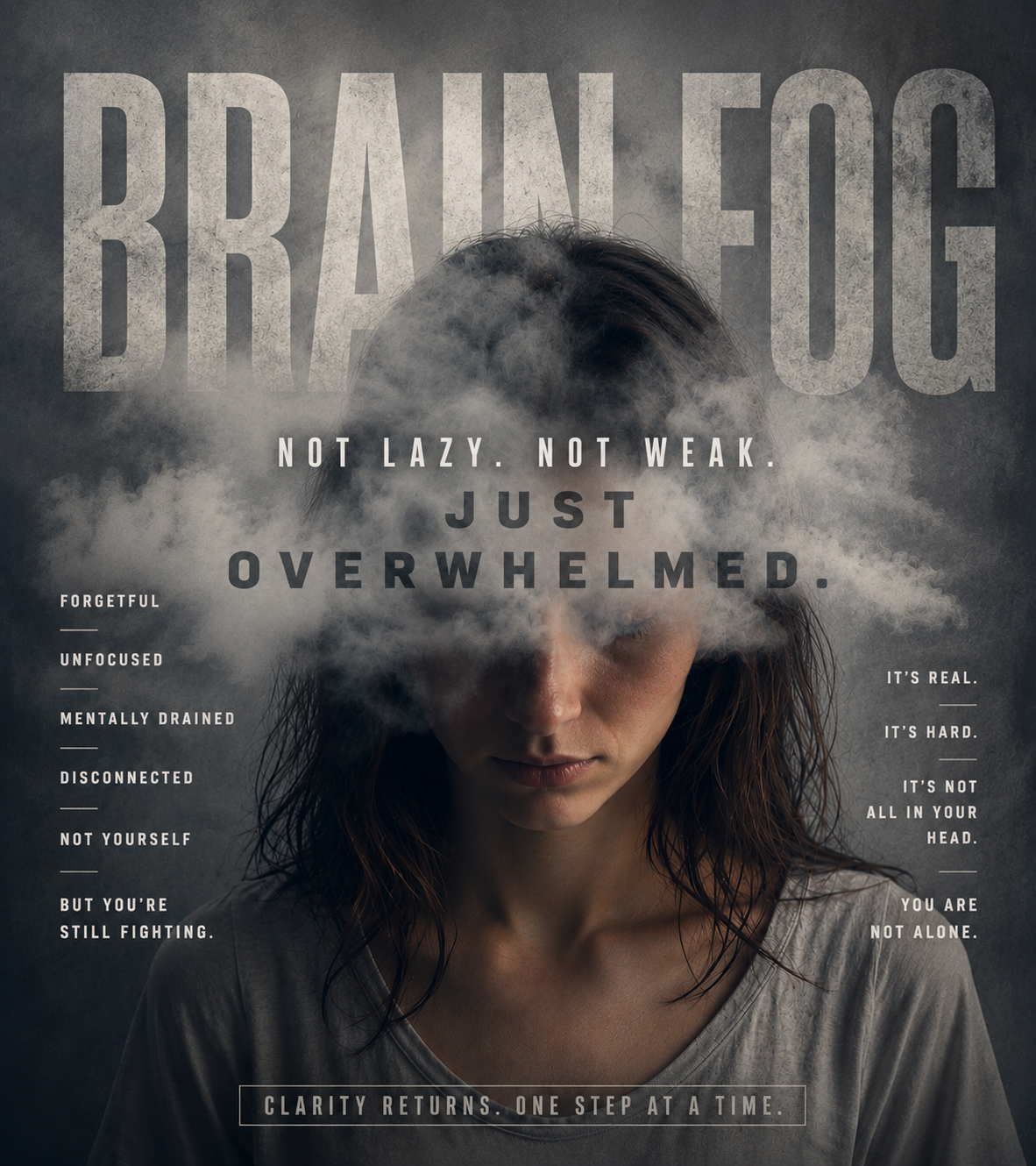
Quick Answer: What Causes Brain Fog?
Brain fog may be associated with:
- Dehydration
- Iron deficiency
- Stress and burnout
- Poor sleep
- Illness recovery
- Vitamin deficiencies
- Blood sugar fluctuations
- Medication effects
- Conditions affecting the autonomic nervous system, such as
POTS
Common symptoms may include:
- Difficulty concentrating
- Mental fatigue
- Forgetfulness
- Reduced focus
- Feeling mentally slowed down
- Headaches
- Low energy
- Dizziness
1. Can Dehydration Cause Brain Fog?
Yes. Even mild dehydration may sometimes contribute to symptoms such as fatigue, headaches, dizziness, and difficulty concentrating [1, 2].
Common causes of dehydration may include:
- Illness
- Exercise
- Heat exposure
- Travel
- Busy schedules
- Not drinking enough fluids
Additional symptoms may include:
- Dry mouth
- Headaches
- Dark urine
- Fatigue
- Lightheadedness
Related reading:
Persistent Dehydration in Silverdale: When IV Hydration May Help
2. Can Iron Deficiency Cause Brain Fog?
Iron supports normal oxygen transport throughout the body. Low iron stores may contribute to symptoms such as [3]:
- Fatigue
- Weakness
- Reduced stamina
- Dizziness
- Mental fatigue
- Difficulty concentrating
Some individuals experience symptoms before iron deficiency anemia develops.
People at increased risk can include:
- Women with heavy menstrual cycles
- Pregnancy and postpartum patients
- Endurance athletes
- Individuals with dietary restrictions
- Certain gastrointestinal conditions
Related reading:
Iron Infusion in Kitsap County: What to Expect Before, During, and After Treatment
Iron deficiency does not always present as anemia. Some individuals experience brain fog, difficulty concentrating, and mental fatigue despite having a normal hemoglobin level.
Related Reading:
Iron Deficiency Without Anemia: Why You Can Feel Exhausted Even With a Normal Hemoglobin
3. Stress and Burnout
Long periods of emotional or
physical stress may contribute to feeling mentally exhausted.
People commonly describe:
- Feeling overwhelmed
- Trouble concentrating
- Low motivation
- Mental fatigue
- Increased irritability
Stress may also affect sleep quality, energy levels, and overall wellness.
4. Poor Sleep Quality
Sleep affects nearly every aspect of physical and mental performance.
Poor sleep may contribute to [4]:
- Brain fog
- Reduced productivity
- Forgetfulness
- Irritability
- Low energy
Even if you spend enough time in bed, poor sleep quality can still affect how you feel.
5. Brain Fog After Being Sick
Many people report lingering symptoms after recovering from illness.
These may include:
- Fatigue
- Reduced energy
- Mental sluggishness
- Weakness
- Reduced exercise tolerance
Recovery timelines vary significantly depending on the individual and the underlying illness.
Related reading:
Can IV Therapy Help When You're Sick? A Bremerton Guide
6. Vitamin Deficiencies
Certain nutritional deficiencies may contribute to fatigue and reduced concentration.
Examples may include:
- Vitamin B12 deficiency
- Vitamin D deficiency
- Folate deficiency
Appropriate evaluation can help determine whether deficiencies may be present.
7. Blood Sugar Fluctuations
Skipping meals or inconsistent eating patterns can sometimes contribute to:
- Fatigue
- Feeling shaky
- Difficulty focusing
- Mental sluggishness
Balanced nutrition may play an important role in maintaining energy levels.
8. Medication Effects
Some medications may contribute to symptoms including:
- Drowsiness
- Reduced concentration
- Mental slowing
- Fatigue
If symptoms started after beginning a new medication, discuss concerns with your healthcare provider.
9. POTS and Autonomic Conditions
Individuals with autonomic nervous system conditions such as POTS (Postural Orthostatic Tachycardia Syndrome) frequently describe symptoms including [5]:
- Brain fog
- Fatigue
- Dizziness
- Exercise intolerance
- Rapid heart rate
Hydration status may influence symptoms in some individuals.
Related reading:
IV Therapy for POTS: Can Hydration Help with Fatigue, Dizziness, and Brain Fog?
When Should Brain Fog Be Evaluated?
Consider speaking with a healthcare professional if symptoms:
- Continue to worsen
- Affect daily activities
- Interfere with work performance
- Are associated with dizziness or fainting
- Occur with severe headaches
- Include concerning neurological symptoms
When Should You See a Healthcare Professional for Brain Fog?
While occasional forgetfulness or mental fatigue can happen to anyone, persistent brain fog should not be ignored. Consider speaking with a healthcare professional if brain fog is accompanied by severe headaches, weakness, difficulty speaking, vision changes, unexplained weight loss, chest pain, or symptoms that interfere with work, school, or daily activities.
Brain fog can sometimes be associated with dehydration, poor sleep, nutritional deficiencies, medication side effects, chronic stress, hormonal changes, or underlying medical conditions. Identifying and addressing the root cause is often the most important step toward improvement.
References
[1] Zhang N, Du SM, Zhang JF, Ma GS. Effects of Dehydration and Rehydration on Cognitive Performance and Mood among Male College Students in Cangzhou, China: A Self-Controlled Trial. International Journal of Environmental Research and Public Health. 2019;16(11):1891.
Available at:
MDPI Full Article
PubMed:
PubMed Record
[2] Adan A. Cognitive Performance and Dehydration. Journal of the American College of Nutrition. 2012;31(2):71–78.
Available at:
PubMed Record
Journal page:
Taylor & Francis Article
[3] Camaschella C. Iron Deficiency. New England Journal of Medicine. 2015;372(19):1832–1843.
Available at:
NEJM Article
[4] Medic G, Wille M, Hemels ME. Short- and Long-Term Health Consequences of Sleep Disruption. Nature and Science of Sleep. 2017;9:151–161.
Available at:
PubMed Central Full Article
[5] Arnold AC, Ng J, Raj SR. Postural Tachycardia Syndrome – Diagnosis, Physiology, and Prognosis. Autonomic Neuroscience. 2018;215:3–11.
Available at:
ScienceDirect Article
Frequently Asked Questions (FAQ)
Can dehydration really affect concentration?
Yes. Some individuals may notice reduced concentration and mental fatigue when dehydrated.
Can low ferritin cause brain fog even if hemoglobin is normal?
Possibly. Iron deficiency without anemia has been associated with fatigue, reduced concentration, and cognitive symptoms in some individuals. Ferritin testing may help identify depleted iron stores even when hemoglobin remains normal.
Can stress cause brain fog?
Stress and burnout may contribute to mental fatigue, poor sleep quality, and reduced concentration.
Why do I feel tired and mentally drained all the time?
Multiple factors may contribute, including poor sleep, stress, dehydration, illness recovery, nutritional deficiencies, or medical conditions.
How long does brain fog last?
Duration varies depending on the underlying cause and individual circumstances.
Can dehydration cause brain fog?
Yes. Dehydration may contribute to symptoms such as brain fog, fatigue, headaches, dizziness, and difficulty concentrating. Some individuals notice reduced mental clarity when fluid intake is inadequate or fluid losses exceed intake.
Can poor sleep cause brain fog?
Yes. Poor sleep quality or insufficient sleep may contribute to brain fog, fatigue, reduced concentration, forgetfulness, and slower cognitive performance. Sleep plays an important role in memory, attention, and overall mental function.
Does stress contribute to brain fog?
Yes. Stress and burnout may contribute to mental fatigue, difficulty concentrating, reduced focus, and feelings of mental sluggishness. Stress can also affect sleep quality, hydration habits, and overall wellness.
When should I worry about brain fog?
Brain fog should be evaluated by a healthcare professional if symptoms are persistent, worsening, affecting daily activities, associated with fainting or severe headaches, or accompanied by concerning neurological symptoms such as weakness, vision changes, or difficulty speaking.
Can IV hydration help support recovery from dehydration-related brain fog?
For individuals whose symptoms are related to dehydration, restoring fluid and electrolyte balance may help support recovery and overall wellness. Persistent brain fog should be appropriately evaluated to help identify and address potential underlying causes.
When Should You See a Healthcare Professional for Brain Fog?
While occasional forgetfulness or mental fatigue can happen to anyone, persistent brain fog should not be ignored. Consider speaking with a healthcare professional if brain fog is accompanied by severe headaches, weakness, difficulty speaking, vision changes, unexplained weight loss, chest pain, or symptoms that interfere with work, school, or daily activities.
Brain fog can sometimes be associated with dehydration, poor sleep, nutritional deficiencies, medication side effects, chronic stress, hormonal changes, or underlying medical conditions. Identifying and addressing the root cause is often the most important step toward improvement.
Supporting Recovery and Wellness When You're Feeling Run Down
When symptoms such as fatigue, mental exhaustion, dehydration, or prolonged recovery leave you feeling drained, some individuals look for supportive wellness approaches in addition to addressing underlying causes.
AQUA Recovery MAX IV is our most comprehensive recovery-focused infusion, designed for individuals who want support beyond basic hydration alone. In addition to hydration and electrolyte replenishment, the formula is designed to provide broader nutritional support to help restore balance and support overall wellness when the body is under increased physical or mental stress.
AQUA Recovery MAX may be considered by individuals experiencing:
- Fatigue or feeling physically run down
- Mental exhaustion or brain fog
- Recovery after travel or long work schedules
- Reduced energy during periods of stress
- Recovery after illness
- General wellness and hydration support
For more targeted support, you can also explore:
Brain Fog Support in Kitsap County?
AQUA MD provides physician-operated mobile wellness and hydration services throughout Silverdale, Bremerton, Poulsbo, Bainbridge Island, and surrounding Kitsap communities.
Persistent fatigue, brain fog, or ongoing symptoms should be appropriately evaluated to identify potential underlying causes and determine the most appropriate next steps.