Why Relaxation Matters: How Stress Affects Your Body and Simple Ways to Recharge
Modern life rarely slows down.
Between demanding careers, raising families, caring for loved ones, staying connected through technology, and trying to maintain a healthy lifestyle, many people feel like they're constantly "on." It's easy to believe that pushing through exhaustion is simply part of adulthood. Over time, however, chronic stress can quietly affect both your physical and mental well-being.
Relaxation is often viewed as a luxury or something to earn after finishing an endless to-do list. In reality, it's an important part of maintaining good health. Giving your body time to recover supports normal nervous system function, healthy sleep, emotional well-being, and overall quality of life.[1]
At AQUA MD Mobile IV, we meet people from all walks of life throughout Silverdale, Bremerton, Poulsbo, Bainbridge Island, Port Orchard, Gig Harbor, and the surrounding Kitsap County communities. Some are preparing for surgery, recovering from illness, training for athletic events, or simply looking to prioritize their wellness after weeks of demanding schedules.
While every patient's needs are different, one thing is remarkably consistent: many people simply haven't given themselves permission to slow down.
This article explores how stress affects the body, why relaxation is more important than many people realize, and practical ways to recharge while supporting your overall health.

Why Your Body Needs Time to Recover
The human body is remarkably good at responding to short periods of stress.
When you encounter a challenging situation, your brain activates the sympathetic nervous system, often called the fight-or-flight response. This response evolved to help our ancestors survive immediate dangers.
Within seconds, your body releases several hormones, including:
- Cortisol
- Epinephrine (adrenaline)
- Norepinephrine
These hormones temporarily increase:
- Heart rate
- Blood pressure
- Alertness
- Blood sugar availability
- Blood flow to major muscles
During a true emergency, these changes are helpful.
The problem is that today's stressors are rarely life-threatening. Instead, they tend to be ongoing: deadlines, financial concerns, family responsibilities, interrupted sleep, caregiving, or simply trying to juggle too many responsibilities at once.
When the body spends weeks or months in this heightened state, it has fewer opportunities to fully recover.[2]
How Chronic Stress Can Affect Nearly Every System in the Body
Stress doesn't only affect how you feel emotionally. It can influence nearly every organ system.
Brain
Many people first notice stress affecting their thinking.
You may experience:
- Brain fog
- Difficulty concentrating
- Reduced productivity
- Forgetfulness
- Mental fatigue
- Feeling overwhelmed by simple tasks
If you've been wondering why your thinking doesn't feel as sharp as it once did, stress may be one contributing factor.
Related reading:
Why Do I Have Brain Fog? 9 Common Causes Including Dehydration, Iron Deficiency, and Stress
Sleep
Stress and poor sleep often create a frustrating cycle.
Elevated stress hormones can make it difficult to:
- Fall asleep
- Stay asleep
- Reach restorative deep sleep
Poor sleep then makes the body more sensitive to stress the following day, creating a cycle that's difficult to break.[3]
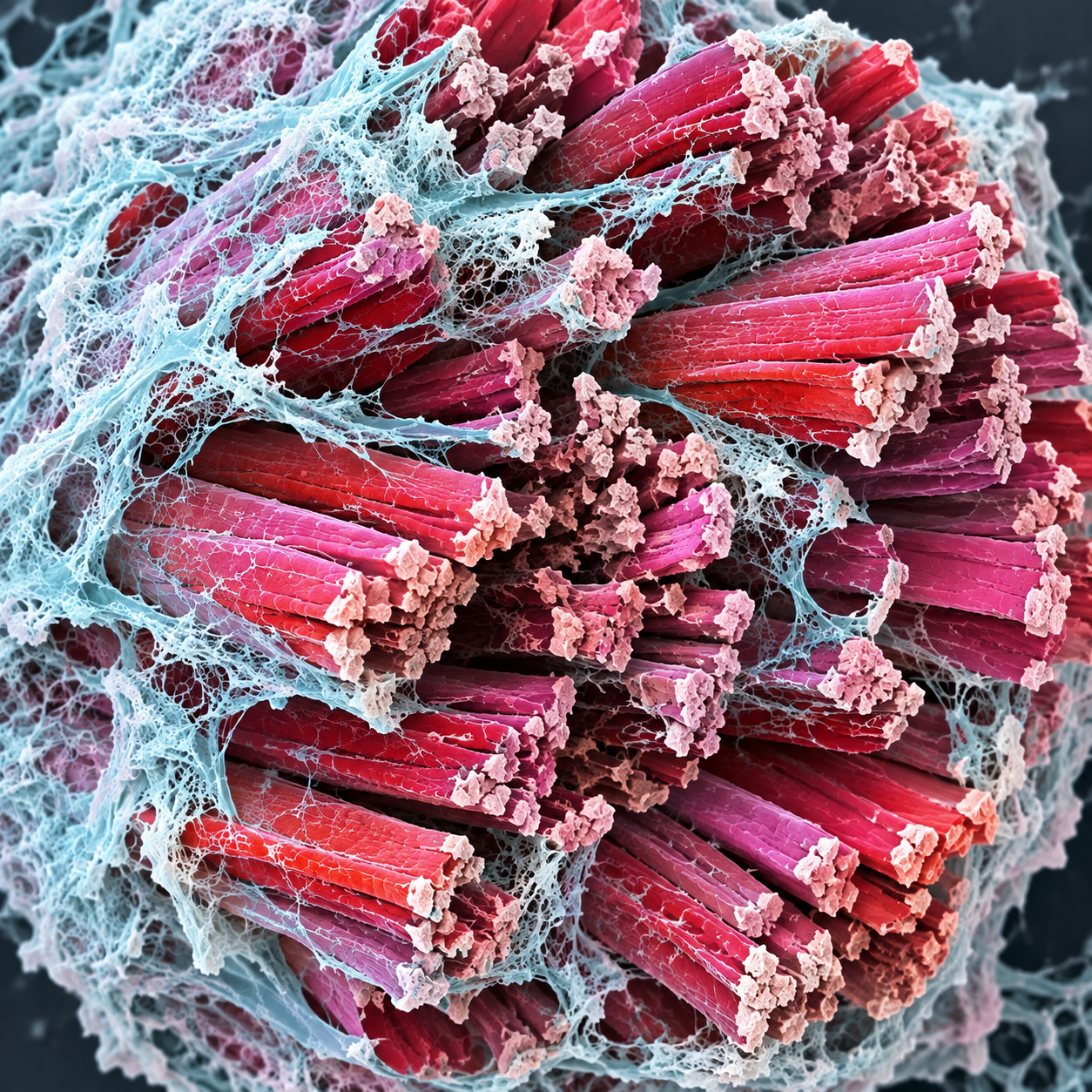
Muscles
Have you ever noticed your shoulders creeping toward your ears after a stressful day?
Muscle tension is one of the body's most common responses to stress.
Common complaints include:
- Tight neck muscles
- Shoulder discomfort
- Jaw clenching
- Tension headaches
- Upper back tightness
Without regular opportunities to relax, this muscle tension can become persistent.
Heart and Circulation
Stress temporarily raises heart rate and blood pressure as part of the body's normal response.
Although occasional increases are expected, chronic psychological stress has been associated with increased cardiovascular risk when combined with other health factors.[4]
This is one reason healthcare professionals often encourage both physical activity and stress management as part of a heart-healthy lifestyle.
Digestive Health
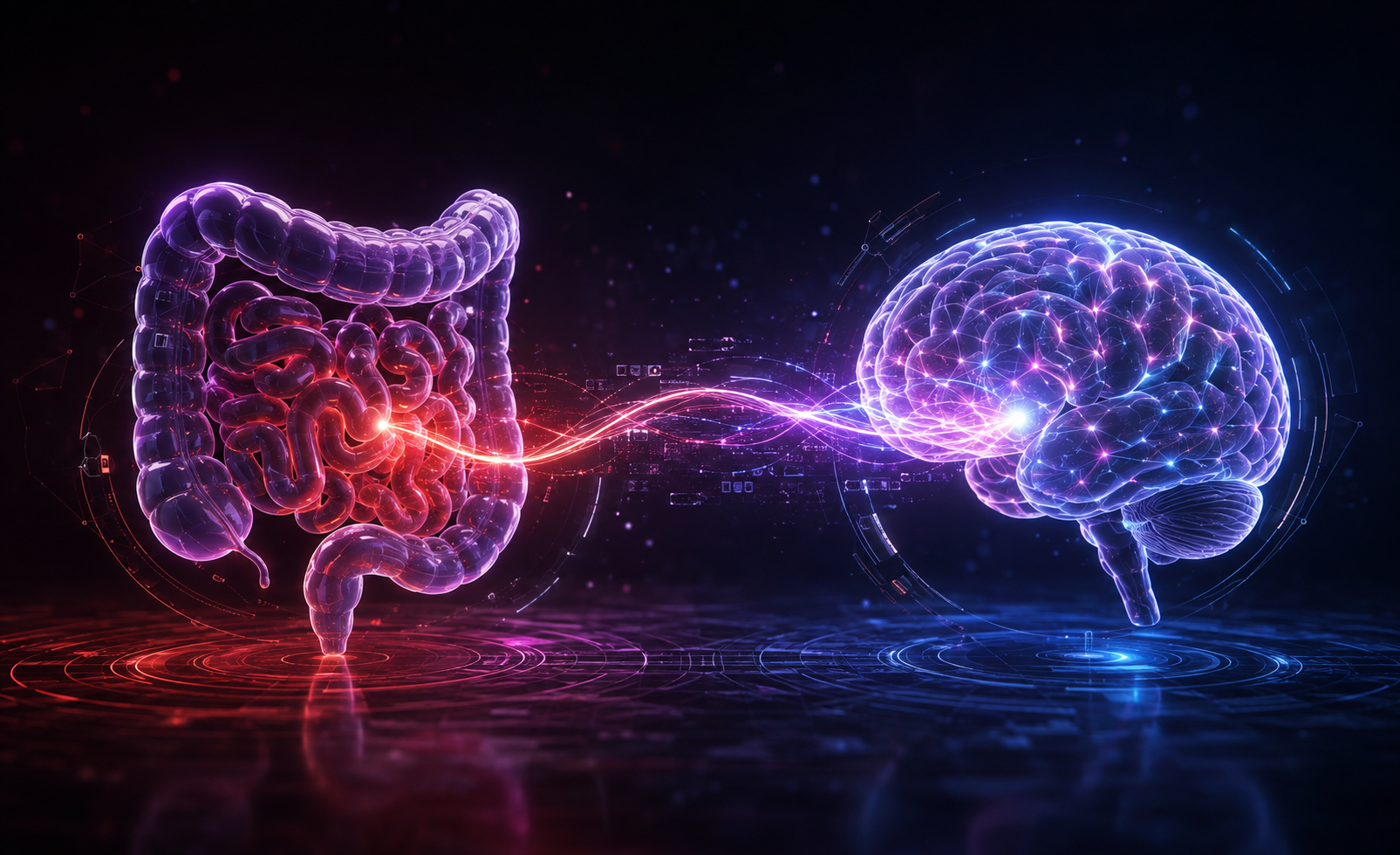
The digestive system is closely connected to the brain through the gut-brain axis.
Stress may contribute to symptoms such as:
- Upset stomach
- Nausea
- Changes in appetite
- Irritable bowel syndrome (IBS) flare-ups
- Digestive discomfort
While stress isn't always the cause of digestive symptoms, many people notice a relationship between stressful periods and worsening gastrointestinal health.[5]
Immune Function
Short-term stress can temporarily enhance certain immune responses.
Long-term stress, however, may reduce normal immune function and influence how the body responds to infections and inflammation.[6]
If you've recently been recovering from illness, you may also find this article helpful:
Can IV Therapy Help When You're Sick? A Bremerton Guide
https://www.aquamdiv.com/can-iv-therapy-help-when-you-re-sick-a-bremerton-guide
Signs Your Body May Be Asking for More Recovery
Sometimes the signs are subtle.
Other times they're impossible to ignore.
You might benefit from intentionally slowing down if you've been experiencing:
- Constant fatigue
- Brain fog
- Trouble sleeping
- Frequent headaches
- Persistent muscle tension
- Feeling emotionally drained
- Difficulty focusing
- Feeling "wired but exhausted"
- Reduced motivation
- Increased irritability
These symptoms are common but not necessarily "normal." They may also occur with medical conditions such as anemia, thyroid disorders, sleep disorders, or dehydration. If symptoms persist, it's important to discuss them with your healthcare provider.
The Often Overlooked Connection Between Stress and Hydration
When life becomes busy, hydration is usually one of the first healthy habits people unintentionally neglect.
People under chronic stress often:
- Forget to drink water
- Skip meals
- Drink more coffee or energy drinks
- Sleep less
- Exercise without adequate fluid replacement
Even mild dehydration can affect how you feel.
Research has shown that losing as little as 1–2% of body water may contribute to:
- Fatigue
- Headaches
- Difficulty concentrating
- Reduced alertness
- Lower physical performance.[7]
Many people experiencing stress also report symptoms like dizziness or lightheadedness, particularly if they haven't been eating or drinking well.
If that's something you've experienced, these resources may also be helpful:
Why Am I Dizzy? 8 Common Causes Including Dehydration, Iron Deficiency, and POTS
Persistent Dehydration in Silverdale: When IV Hydration May Help
https://www.aquamdiv.com/persistent-dehydration-in-silverdale-when-iv-hydration-may-help
Hydration alone won't eliminate stress, but maintaining normal fluid balance supports healthy circulation, cognitive function, temperature regulation, and overall wellness.
Why Recovery Is Just as Important as Productivity
Our culture often celebrates being busy.
But recovery isn't wasted time—it's part of maintaining your health.
Just as athletes schedule recovery days to perform their best, everyone benefits from regular opportunities to rest, recharge, and reset.
Whether it's spending time outdoors, reading a book, taking a walk, practicing mindfulness, or simply sitting quietly without distractions, intentional relaxation gives your body a chance to shift away from the constant demands of everyday life.
Sometimes, the healthiest thing you can do is simply slow down.

Practical Ways to Recharge Your Mind and Body
Relaxation doesn't have to mean taking an expensive vacation or spending an entire weekend away from responsibilities. In many cases, it's the small, intentional moments of recovery throughout the week that have the greatest impact.
If you've been feeling overwhelmed, consider incorporating a few of these habits into your routine.
Prioritize Restful Sleep
Sleep is one of the body's most important recovery tools.
During sleep, your brain and body perform countless restorative processes that support memory, immune function, hormone regulation, and tissue repair.[8]
Creating a healthy sleep routine may include:
- Going to bed at a consistent time
- Limiting screen time before bed
- Keeping your bedroom cool and dark
- Avoiding excessive caffeine later in the day
- Developing a relaxing bedtime routine
While no one sleeps perfectly every night, consistency often matters more than perfection.
Stay Hydrated Throughout the Day
Hydration supports nearly every organ system.
Adequate fluid intake helps maintain:
- Normal circulation
- Healthy blood volume
- Cognitive performance
- Temperature regulation
- Physical performance
Many people don't recognize they're mildly dehydrated until symptoms such as fatigue, headaches, dizziness, or difficulty concentrating begin to appear.
If hydration has been a challenge, you may also enjoy reading:
Persistent Dehydration in Silverdale: When IV Hydration May Help
https://www.aquamdiv.com/persistent-dehydration-in-silverdale-when-iv-hydration-may-help
Move Your Body
Exercise doesn't always have to mean an intense workout.
Walking your dog, stretching, practicing yoga, gardening, or taking a leisurely bike ride all encourage movement while helping reduce muscle stiffness that often accompanies stressful days.
Regular physical activity has consistently been shown to improve mood and overall health.[9]
Spend More Time Outdoors
Sometimes the best medicine is simply stepping outside.
Exposure to natural light and green spaces has been associated with improved mood, lower perceived stress, and greater overall well-being.[10]
Whether it's walking along the waterfront in Bremerton, hiking near Poulsbo, or enjoying the shoreline on Bainbridge Island, spending time outdoors can become an important part of your wellness routine.
Practice Mindfulness
Mindfulness doesn't require hours of meditation.
Even five to ten minutes of intentional breathing or quiet reflection may help calm the nervous system.
Simple ideas include:
- Slow diaphragmatic breathing
- Guided meditation
- Gentle stretching
- Reading
- Journaling
- Listening to calming music
The goal isn't to eliminate stress completely.
It's to create moments where your mind and body have permission to slow down.
Disconnect More Often
Our brains weren't designed to receive constant notifications.
Emails.
News alerts.
Social media.
Text messages.
Phone calls.
While technology keeps us connected, it also makes it difficult to truly rest.
Even setting your phone aside for thirty minutes can create space for your nervous system to recover.
The Role of Magnesium in Normal Muscle and Nerve Function
Magnesium is an essential mineral involved in hundreds of normal biochemical processes throughout the body.
It plays an important role in:
- Normal muscle function
- Nerve function
- Energy production
- Protein synthesis
- Electrolyte balance
- Maintaining normal heart rhythm.[11]
Many people do not consume the recommended daily intake of magnesium through diet alone.
Because magnesium supports normal muscle and nerve function, it has become a commonly included ingredient in many physician-directed wellness IV formulations, including our AQUA Myers infusion.
It's important to note that magnesium is not a treatment for stress, anxiety, or mental health conditions. Rather, it is one component of an individualized wellness treatment selected based on a patient's health history, symptoms, and physician assessment.
What Does an Hour of Relaxation Look Like?
One of the questions we're often asked is,
"What actually happens during a mobile IV appointment?"
For many people, it's much quieter—and much more relaxing—than they expect.
Imagine finishing your workday without having to drive across town or sit in a waiting room.
Instead, you remain in the comfort of your own home.
You settle into your favorite chair or sofa.
A blanket rests across your lap.
Soft music plays quietly in the background.
A book you've been meaning to finish sits nearby.
Your dog curls up at your feet.
The afternoon sunlight filters gently through the window.
There's nowhere else you need to be.
For the next hour, your only responsibility is to simply slow down.
Many of our patients tell us this uninterrupted quiet time is something they rarely experience in everyday life.
Whether they're catching up on reading, listening to a favorite playlist, watching a movie, or simply closing their eyes for a while, the appointment becomes more than just hydration—it becomes dedicated time for themselves.

Introducing AQUA Myers
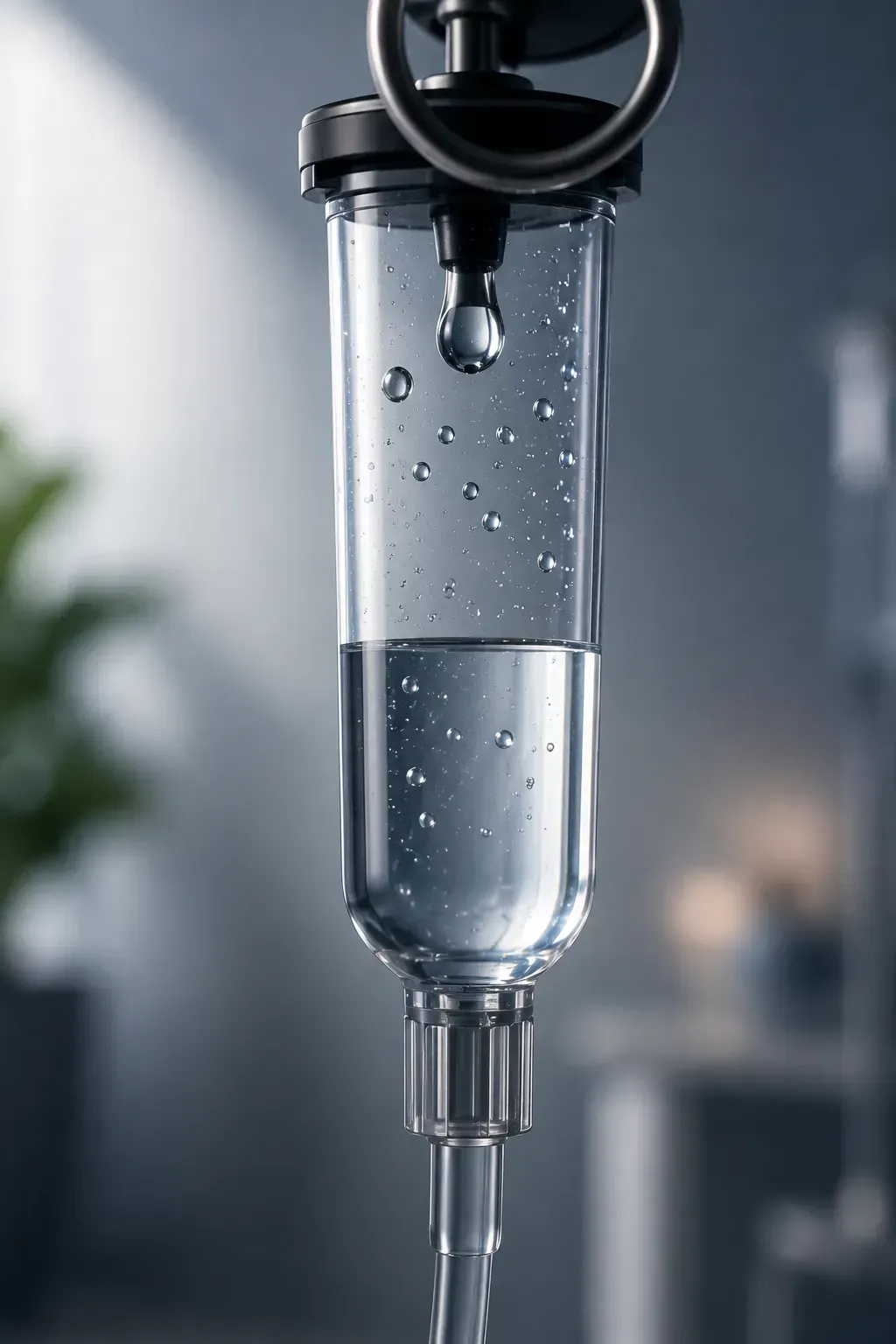
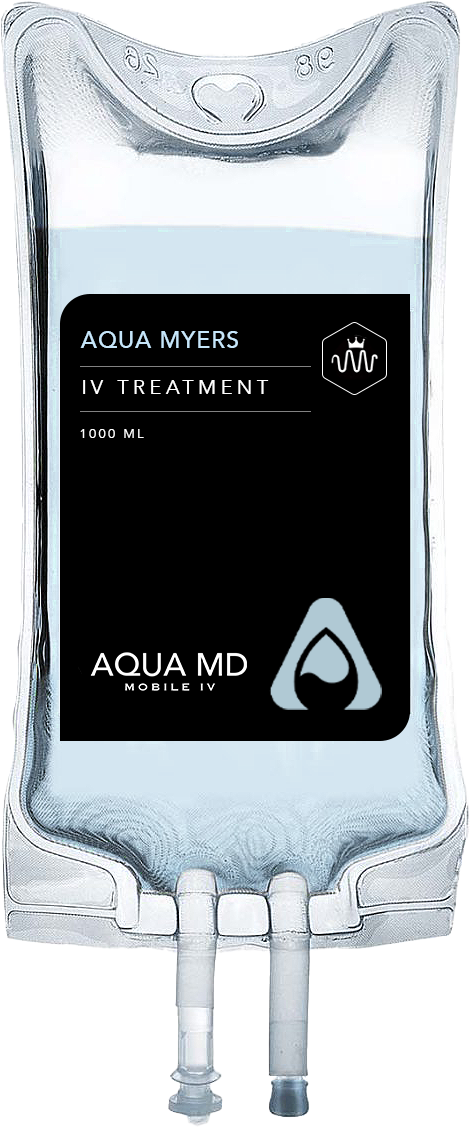
One of our most popular wellness treatments is the AQUA Myers infusion.
Inspired by the traditional Myers' Cocktail, our physician-directed formulation combines IV hydration with carefully selected vitamins and minerals tailored to each patient's individual needs and wellness goals.
Every treatment begins with a medical evaluation to determine whether IV therapy is appropriate and to personalize the formulation whenever clinically indicated.
It's important to understand that AQUA Myers is not a treatment for stress, anxiety, depression, or other mental health conditions.
Instead, many patients choose AQUA Myers as part of their broader wellness routine. For them, the appointment offers something increasingly rare: protected time to pause, unplug, and focus on their own well-being while receiving hydration in the comfort of home.
Some schedule sessions after particularly demanding workweeks.
Others book treatments before vacations, after long flights, or during busy seasons when they want to prioritize self-care.
Every patient's goals are different, and our physician-directed approach allows us to tailor each visit accordingly.
Physician-Directed Wellness, Delivered to Your Home
At AQUA MD Mobile IV, we believe healthcare should be personal.
Rather than asking patients to travel while they're feeling run down, our physician-led team comes directly to homes throughout:
- Silverdale
- Bremerton
- Poulsbo
- Bainbridge Island
- Port Orchard
- Gig Harbor
- Surrounding Kitsap County communities
Each visit includes a physician review of your medical history before treatment, followed by care delivered by experienced registered nurses using physician-approved protocols.
Whether you're recovering from illness, preparing for surgery, addressing dehydration, or simply making wellness a priority, our goal is to provide professional medical care in an environment where you feel most comfortable.
Unlike a busy clinic, there are no crowded waiting rooms or rushed appointments.
Just personalized care, delivered where you already feel at home.
Wellness Is About More Than Treating Illness
When people think about healthcare, they often think about treating disease.
But wellness is also about maintaining health before problems develop.
Sometimes that means:
- Drinking more water.
- Getting an extra hour of sleep.
- Going for an evening walk.
- Spending time with family.
- Taking a quiet hour to recharge.
Recovery isn't something to feel guilty about. It's part of living well.
Conditions That Can Feel More Challenging During Periods of Stress
Stress doesn't directly cause every medical condition, but it can influence how you experience certain symptoms. During periods of prolonged stress, many people notice they feel more fatigued, sleep less, eat irregularly, and drink less water. Those changes may contribute to symptoms that affect day-to-day life.
Some of the concerns we commonly discuss with patients include:
- Fatigue
- Mild dehydration
- Brain fog
- Dizziness
- Headaches and migraines
- Muscle tension
- General wellness support
- Recovery after travel
- Recovery after illness
- Wellness support before or after planned surgery
If any of these symptoms become severe, persistent, or are accompanied by chest pain, difficulty breathing, fainting, high fever, or new neurological symptoms, seek immediate medical attention.
Continue Learning About Your Health
If you enjoyed this guide, you may also find these physician-written resources helpful.
Brain Fog
Brain fog isn't a diagnosis—it's a symptom that can have many causes, including dehydration, poor sleep, iron deficiency, stress, and certain medical conditions.
Read:
Why Do I Have Brain Fog? 9 Common Causes Including Dehydration, Iron Deficiency, and Stress
Dizziness
Feeling lightheaded or dizzy can result from dehydration, low blood pressure, iron deficiency, vestibular disorders, or other medical conditions.
Read:
Why Am I Dizzy? 8 Common Causes Including Dehydration, Iron Deficiency, and POTS
Persistent Dehydration
Learn when dehydration becomes more than simply forgetting to drink enough water.
Read:
Persistent Dehydration in Silverdale: When IV Hydration May Help
https://www.aquamdiv.com/persistent-dehydration-in-silverdale-when-iv-hydration-may-help
Recovering From Illness
Hydration plays an important role during many common illnesses.
Read:
Can IV Therapy Help When You're Sick? A Bremerton Guide
https://www.aquamdiv.com/can-iv-therapy-help-when-you-re-sick-a-bremerton-guide
Iron Deficiency
Persistent fatigue isn't always caused by stress. Iron deficiency is another common reason people feel exhausted.
Read:
Iron Infusion in Kitsap County: What to Expect Before, During, and After Treatment
Preparing for Surgery
Proper hydration may be one part of preparing for surgery and supporting recovery afterward.
Read:
Surgery Prep & Recovery Support
https://www.aquamdiv.com/iv-treatments/surgery-prep---recovery-support
Frequently Asked Questions
Can stress really cause physical symptoms?
Yes. Stress activates your body's normal fight-or-flight response, which can contribute to muscle tension, headaches, poor sleep, digestive symptoms, fatigue, and difficulty concentrating. While these symptoms are common, they may also be caused by underlying medical conditions, so persistent symptoms should be evaluated by your healthcare provider.[2]
Can stress cause headaches?
It can. Stress is one of the most common triggers for tension-type headaches and may also contribute to migraines in susceptible individuals.[12]
Can stress make you feel dizzy?
Some people experience dizziness or lightheadedness during periods of stress, particularly if they're also dehydrated, breathing rapidly, skipping meals, or sleeping poorly. Because dizziness has many possible causes, persistent or severe symptoms deserve medical evaluation.
Can dehydration make stress feel worse?
Dehydration may contribute to fatigue, headaches, reduced concentration, and dizziness.[7] While hydration won't eliminate stress, maintaining adequate fluid intake supports normal body function and overall wellness.
Is IV therapy a treatment for stress?
No.
IV therapy is not a treatment or cure for stress, anxiety, depression, or other mental health conditions.
However, physician-directed IV hydration may be appropriate for certain patients with dehydration or other medically appropriate indications. Many patients also appreciate setting aside uninterrupted time to relax during their treatment.
Why do patients choose AQUA Myers?
Many patients choose AQUA Myers as part of their wellness routine because it combines physician-directed IV hydration with carefully selected vitamins and minerals tailored to their individual needs. Beyond the treatment itself, many appreciate having a dedicated hour to disconnect from daily responsibilities, relax at home, and prioritize their well-being.
Can magnesium help me relax?
Magnesium is an essential mineral that supports normal muscle and nerve function.[11] While it plays many important roles in the body and is included in our AQUA Myers infusion, it is not a treatment for stress, anxiety, or mental health conditions.
Where does AQUA MD provide mobile IV therapy?
We proudly provide physician-directed mobile IV therapy throughout:
- Silverdale
- Bremerton
- Poulsbo
- Bainbridge Island
- Port Orchard
- Gig Harbor
- Surrounding Kitsap County communities
How do I know if IV hydration is right for me?
Every patient begins with a physician evaluation. We review your medical history, discuss your wellness goals, and determine whether IV therapy is appropriate for your situation before creating an individualized treatment plan.
A Final Thought on Relaxation
In a world that constantly encourages us to do more, slowing down can feel unfamiliar—even uncomfortable. Yet giving yourself permission to rest isn't a sign of weakness; it's an important part of caring for your health.
Relaxation doesn't have to be elaborate. It can be as simple as taking a quiet walk, sharing a meal with loved ones, spending time outdoors, or setting aside an hour to disconnect from the demands of everyday life. Small moments of recovery, practiced consistently, can make a meaningful difference over time.
At AQUA MD Mobile IV, we've learned that many of our patients aren't just looking for hydration—they're looking for a chance to pause. Whether they're preparing for a busy week, recovering after travel, or simply making wellness a priority, they appreciate having dedicated time to recharge in the comfort of home.
If there's one message we'd like you to take away from this article, it's this:
Your health deserves the same attention you give everything else.
Make time to rest. Stay hydrated. Prioritize sleep. Listen to your body. And remember that taking care of yourself isn't a luxury—it's an investment in your long-term well-being.
From all of us at AQUA MD, we wish you good health, meaningful moments of rest, and the opportunity to recharge whenever life calls for it.
Medical Disclaimer: This article is intended for educational purposes only and should not be considered a substitute for personalized medical advice, diagnosis, or treatment. If you are experiencing severe or persistent symptoms, seek evaluation from your healthcare provider or emergency medical services when appropriate.
References
[1] National Center for Complementary and Integrative Health. Relaxation Techniques: What You Need To Know. National Institutes of Health.
https://www.nccih.nih.gov/health/relaxation-techniques-what-you-need-to-know
[2] American Psychological Association. Stress Effects on the Body.
https://www.apa.org/topics/stress/body
[3] Centers for Disease Control and Prevention. About Sleep.
https://www.cdc.gov/sleep/about/index.html
[4] American Heart Association. Stress and Heart Health.
https://www.heart.org/en/healthy-living/healthy-lifestyle/stress-management
[5] Harvard Health Publishing. The Gut-Brain Connection.
https://www.health.harvard.edu/diseases-and-conditions/the-gut-brain-connection
[6] Cleveland Clinic. How Stress Affects Your Immune System.
https://health.clevelandclinic.org/how-stress-affects-your-immune-system
[7] Adan A. Cognitive Performance and Dehydration. Journal of the American College of Nutrition. 2012;31(2):71-78.
https://pubmed.ncbi.nlm.nih.gov/22855911/
[8] Centers for Disease Control and Prevention. Sleep and Sleep Disorders.
https://www.cdc.gov/sleep/
[9] U.S. Department of Health and Human Services. Physical Activity Guidelines for Americans, 2nd Edition.
https://health.gov/our-work/nutrition-physical-activity/physical-activity-guidelines
[10] Twohig-Bennett C, Jones A. The Health Benefits of the Great Outdoors: A Systematic Review and Meta-analysis of Greenspace Exposure. Environmental Research. 2018;166:628-637.
https://pubmed.ncbi.nlm.nih.gov/29884574/
[11] National Institutes of Health Office of Dietary Supplements. Magnesium Fact Sheet for Health Professionals.
https://ods.od.nih.gov/factsheets/Magnesium-HealthProfessional/
[12] American Migraine Foundation. Stress and Migraine.
https://americanmigrainefoundation.org/resource-library/stress-and-migraine/