Why Hydration Matters Before Surgery
Most patients are instructed to stop eating and drinking prior to surgery. These fasting guidelines are important safety measures designed to reduce the risk of complications during anesthesia.[2]
Although modern anesthesia guidelines often allow clear liquids closer to the time of surgery than many people realize, patients should always follow the specific instructions provided by their surgeon and anesthesia team.[2][3]
As surgery approaches, some individuals may already be dealing with reduced fluid intake, increased stress, disrupted sleep, or travel-related fatigue. As a result, they may arrive feeling thirsty, tired, or mildly dehydrated.
Why Hydration Matters After Surgery
The recovery process can present its own challenges.
Depending on the procedure, patients may experience:
- Fatigue
- Nausea
- Reduced appetite
- Difficulty drinking enough fluids
- Temporary weakness
- Dizziness or lightheadedness
- General feelings of sluggishness
In some cases, discomfort, medications, or nausea may make it difficult to maintain adequate hydration through oral intake alone.
Hydration and electrolyte support may help support overall wellness and comfort during recovery when clinically appropriate.[1]
Common Signs You May Not Be Drinking Enough Fluids
Symptoms commonly associated with dehydration may include:[4][5]
- Dry mouth
- Dark urine
- Fatigue
- Headaches
- Dizziness
- Lightheadedness
- Reduced concentration
- General feelings of weakness or sluggishness
These symptoms can have many different causes, but dehydration may be one contributing factor.
If you're interested in learning more, you may also enjoy reading:
Recovery Where You Feel Most Comfortable
Recovering from surgery can be challenging enough without having to leave the house for additional appointments whenever possible.
Whether you're recovering from a cosmetic procedure, orthopedic surgery, abdominal operation, hernia repair, gynecologic procedure, or another planned surgery, many patients simply prefer to rest in familiar surroundings.
AQUA MD provides mobile IV therapy throughout Kitsap County, including Bremerton, Silverdale, Poulsbo, Port Orchard, Bainbridge Island, and Gig Harbor. Our goal is simple: to bring professional, comfort-focused IV therapy directly to you, allowing you to recover in the place where you feel most comfortable.
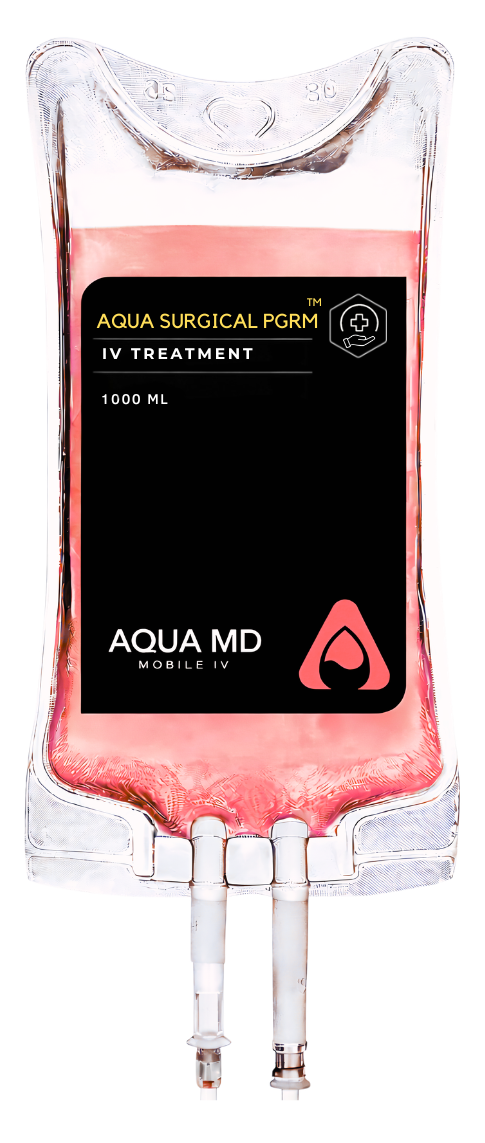
AQUA MD Surgical Hydration & Recovery Program™
To help support patients before and after surgery, AQUA MD offers its physician-directed
Surgical Hydration & Recovery Program™.
Learn more about the program here:
https://www.aquamdiv.com/iv-treatments/surgery-prep---recovery-support
This individualized service is designed for eligible patients seeking hydration and wellness support surrounding surgery or medical procedures.
Depending on clinical appropriateness, treatment plans may include:
- Balanced isotonic fluids
- Electrolyte support
- Wellness-focused vitamin supplementation
- Supportive medications for nausea or discomfort when appropriate
Each treatment is tailored based on surgical timing, symptoms, medical history, medications, and recovery goals.
Patients are encouraged to coordinate with their surgeon, primary care provider, and anesthesia team to ensure IV therapy is appropriate within their overall recovery plan.[6]
Frequently Asked Questions (FAQ)
Can I receive IV hydration before surgery?
Possibly. Timing is important. Patients should always follow the instructions provided by their surgeon and anesthesia team. When clinically appropriate, pre-operative hydration support is often scheduled 12–24 hours before surgery and should not interfere with fasting requirements.[6]
Can dehydration affect how I feel after surgery?
Inadequate fluid intake may contribute to symptoms such as fatigue, headaches, dizziness, dry mouth, and feelings of weakness.[4][5]
Can IV hydration replace drinking fluids after surgery?
No. Oral hydration remains important whenever allowed by your healthcare team. IV hydration may provide additional support when fluid intake is reduced or poorly tolerated.[6]
Can IV therapy help with nausea after surgery?
Some patients experience nausea during recovery, which can make drinking fluids more difficult. When clinically appropriate, supportive medications may be incorporated into individualized treatment plans. You may also be interested in our article: Nausea Relief at Home: How IV Therapy Helps in Bainbridge.
Is mobile IV therapy a substitute for medical care?
No. Mobile IV therapy is not a substitute for surgical, anesthesia, emergency, or hospital-based medical care. Patients should continue following all instructions provided by their healthcare team.
What areas does AQUA MD Mobile IV serve?
AQUA MD provides physician-directed mobile IV therapy
throughout Kitsap County, including
Silverdale,
Bremerton,
Poulsbo,
Port Orchard,
Bainbridge Island, and
Gig Harbor.
Medical Disclaimer: This article is intended for educational purposes only and should not be considered medical advice. Patients should always follow the recommendations of their surgeon, anesthesiologist, and healthcare team regarding fasting instructions, hydration, medications, and post-operative care.
References
[1] Mayo Clinic. Dehydration: Symptoms and Causes.
https://www.mayoclinic.org/diseases-conditions/dehydration/symptoms-causes/syc-20354086
[2] American Society of Anesthesiologists (ASA). 2023 Practice Guidelines for Preoperative Fasting.
https://pubmed.ncbi.nlm.nih.gov/36629465/
[3] American Society of Anesthesiologists (ASA). Preoperative Fasting Guidelines Summary.
https://www.guidelinecentral.com/guideline/8706
[4] NHS. Dehydration.
https://www.nhs.uk/conditions/dehydration/
[5] NHS Inform. Dehydration.
https://www.nhsinform.scot/illnesses-and-conditions/nutritional/dehydration/
[6] AQUA MD. Surgery Prep & Recovery Support Program.
https://www.aquamdiv.com/iv-treatments/surgery-prep---recovery-support