What Is Dehydration?
Dehydration occurs when your body loses more fluids than it takes in, leaving it without enough water and electrolytes to function normally. Even relatively mild dehydration can affect circulation, body temperature, blood pressure, muscle function, and cognitive performance.[1]
The body loses fluid every day through sweating, breathing, urination, and bowel movements. When these losses aren't replaced—especially during illness, vomiting, diarrhea, fever, prolonged exercise, or hot weather—dehydration can develop.
Most dehydration involves the loss of both
water and electrolytes.
Electrolytes are minerals that carry electrical signals throughout the body and are essential for maintaining:
- Heart rhythm
- Muscle contraction
- Nerve function
- Blood pressure
- Fluid balance
- Acid-base (pH) balance
The major electrolytes include:
- Sodium
- Potassium
- Chloride
- Magnesium
- Calcium
- Bicarbonate
When dehydration occurs, these electrolyte levels can also become abnormal, contributing to symptoms such as fatigue, muscle cramps, dizziness, lightheadedness, weakness, nausea, heart palpitations, and confusion.[2]
Healthcare professionals generally recognize three broad patterns of dehydration:
Isotonic Dehydration
The most common type. Both water and electrolytes are lost in relatively equal amounts, often occurring with vomiting, diarrhea, or significant fluid losses.
Hypertonic (Hypernatremic) Dehydration
More water is lost than electrolytes, causing sodium levels to rise. This can occur with inadequate water intake, prolonged sweating without adequate fluid replacement, or fever.
Hypotonic (Hyponatremic) Dehydration
More electrolytes—particularly sodium—are lost relative to water. This may occur after prolonged vomiting, diarrhea, certain medications such as diuretics, or replacing large fluid losses with plain water alone.
Fortunately, most people do not need to know which specific type they have. The more important question is whether the dehydration is
mild, moderate, or severe, as this helps determine whether home hydration, physician evaluation, IV hydration, or emergency medical treatment is appropriate.
Learn more in our guide:
Persistent Dehydration in Silverdale: When IV Hydration May Help.
Mild vs. Moderate vs. Severe Dehydration
Mild Dehydration
Many people experience mild dehydration without realizing it.
Common symptoms include:
- Thirst
- Dry mouth
- Mild headache
- Fatigue
- Dark yellow urine
- Mild dizziness when standing
Most people improve with increased oral fluids and electrolyte replacement.[1]
Moderate Dehydration
As dehydration worsens, blood volume begins to decrease, making it harder for your heart and blood vessels to maintain normal circulation.[2]
Symptoms may include:
- Increased dizziness
- Lightheadedness
- Rapid heartbeat
- Muscle cramps
- Weakness
- Difficulty concentrating
- Reduced urination
- Brain fog
Severe Dehydration
Severe dehydration is a medical emergency that can lead to dangerously low blood pressure, electrolyte disturbances, kidney injury, shock, and altered mental status.[2]
Seek immediate emergency care if you develop:
- Confusion
- Fainting
- Persistent inability to keep fluids down
- Bloody vomiting or diarrhea
- Severe weakness
- Chest pain
- Difficulty breathing
- Very little or no urine output
- Blue lips or fingertips
- Seizures
These symptoms may indicate severe dehydration, electrolyte abnormalities, shock, or another serious medical condition requiring hospital treatment.[1][2]
Read more:
Who Is at Higher Risk?
Certain individuals are more vulnerable to dehydration and its complications, including:
- Older adults
- Infants and young children
- Pregnant individuals
- Athletes
- Outdoor workers
- People with chronic illnesses
- Individuals recovering from surgery
- Patients with POTS
- People experiencing prolonged vomiting or diarrhea
These groups may become dehydrated more quickly and should seek medical advice sooner if symptoms worsen.[2][3]
When Might Mobile IV Therapy Be Appropriate?
Not every person with dehydration needs to visit an emergency room.
For mild to moderate dehydration
without emergency warning signs, physician-directed mobile IV hydration may be an option after appropriate medical screening.
Situations where supportive IV hydration may be appropriate include:
At
AQUA MD, every patient undergoes a physician-directed assessment before treatment. IV therapy is only recommended when appropriate based on the patient's symptoms, medical history, and overall clinical presentation.
Our goal is never to replace emergency care. Patients with symptoms suggesting severe dehydration or another medical emergency are directed to the emergency department immediately.
AQUA MD Treatment Options for Mild to Moderate Dehydration
Following a physician-directed evaluation, AQUA MD offers several IV hydration options designed to support patients experiencing mild to moderate dehydration who do not have emergency warning signs requiring hospital care.
Depending on your symptoms and medical history, treatment may include isotonic IV fluids, electrolytes, physician-selected vitamins, and supportive medications when clinically appropriate.
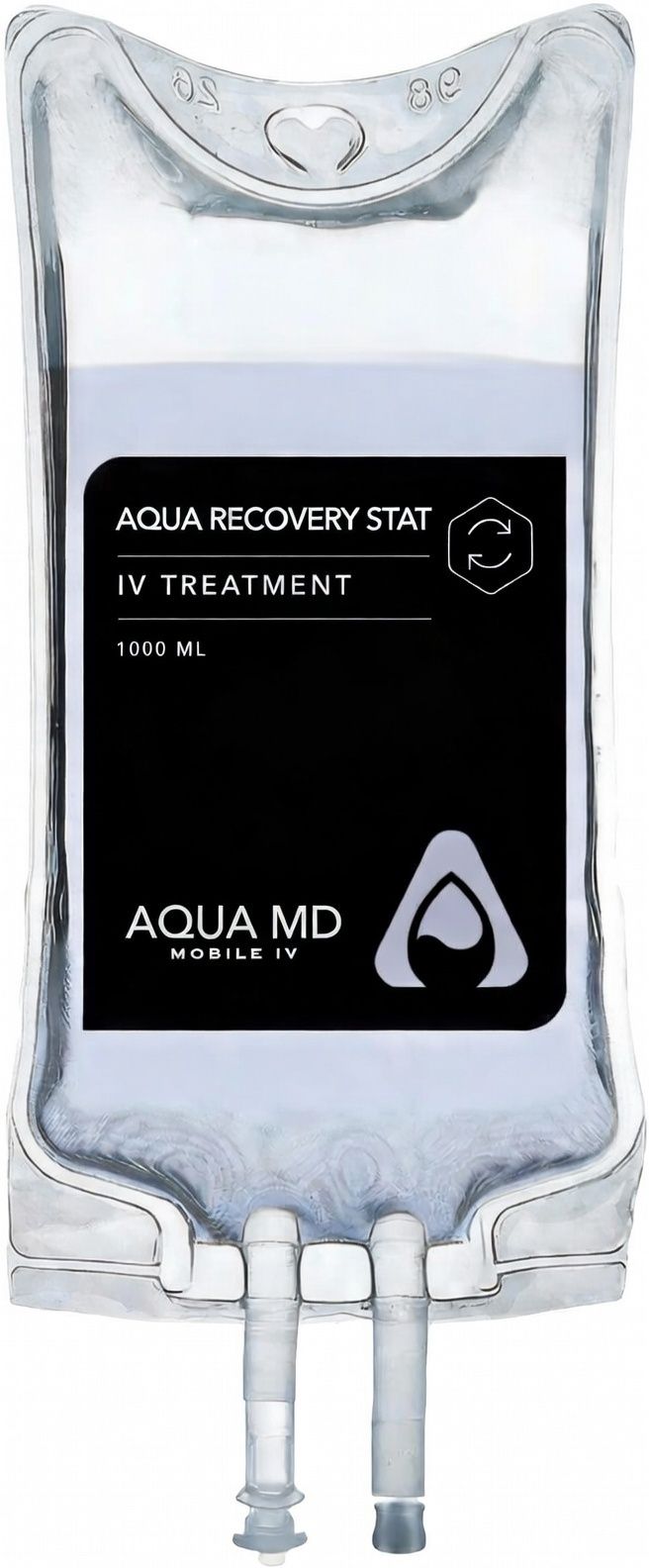
AQUA Recovery STAT
AQUA Recovery STAT is designed for patients needing rapid hydration and electrolyte replacement. The treatment focuses on restoring fluid balance while supporting recovery from dehydration due to illness, heat exposure, travel, strenuous activity, or inadequate fluid intake.
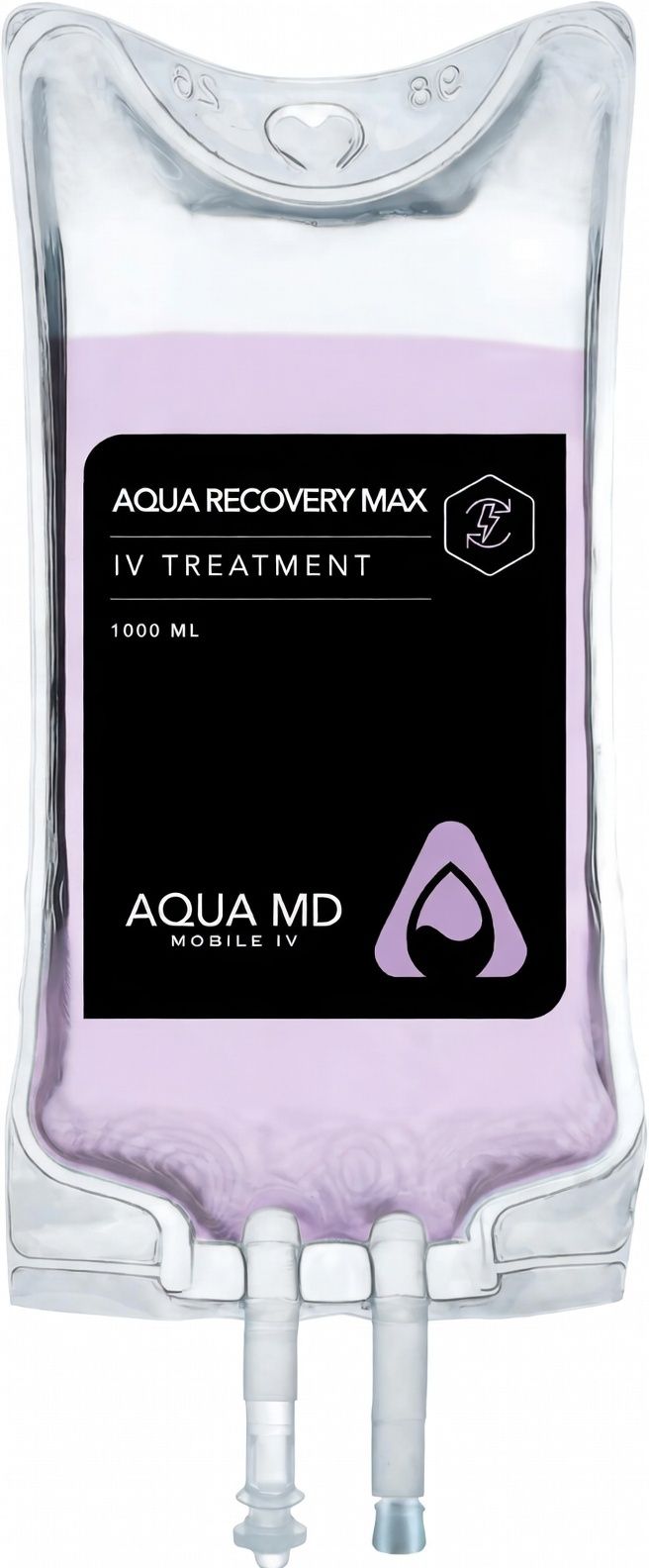
AQUA Recovery MAX
For patients requiring additional supportive care,
AQUA Recovery MAX builds upon hydration by incorporating physician-selected vitamins, electrolytes, and supportive medications tailored to the individual's symptoms and clinical presentation. It is commonly considered for patients recovering from viral illnesses, prolonged fatigue, gastrointestinal illnesses, surgery, or dehydration accompanied by nausea or reduced oral intake.
Every treatment begins with a physician-directed medical assessment to determine whether IV therapy is appropriate. Patients with symptoms suggesting severe dehydration, shock, or another medical emergency are referred to the emergency department rather than treated in the home.
Preventing Dehydration
Simple strategies can reduce your risk of dehydration:
- Drink fluids regularly throughout the day.
- Replace fluids during exercise and hot weather.
- Consider electrolyte-containing beverages after prolonged sweating or illness.
- Begin rehydrating early during vomiting or diarrhea.
- Avoid excessive alcohol consumption.
- Monitor urine color—it should generally be pale yellow.
Related Reading
If you're experiencing dehydration-related symptoms, these articles may also help: