When Drinking Water Is Usually Enough
In everyday life, your body is remarkably good at maintaining hydration.
If you're able to drink fluids without difficulty, your gastrointestinal tract is functioning normally, and your symptoms are mild, oral hydration is almost always the recommended first step.[1, 2]
Examples include:
- Mild dehydration after a workout
- Working outdoors on a warm day
- Dry mouth
- Mild fatigue
- Air travel
- Routine daily hydration
- Mild hangovers
Water is often sufficient, although beverages containing electrolytes may be helpful after prolonged exercise, excessive sweating, or gastrointestinal fluid losses.[2, 3]
However, dehydration isn't the only reason people experience fatigue, dizziness, or feeling "off." Our physician-written guide,
Why Am I Dizzy? 8 Common Causes Including Dehydration, Iron Deficiency, and POTS, explains why these symptoms may also be related to iron deficiency, blood pressure changes, inner ear disorders, medications, and other medical conditions.
When IV Hydration May Be Appropriate
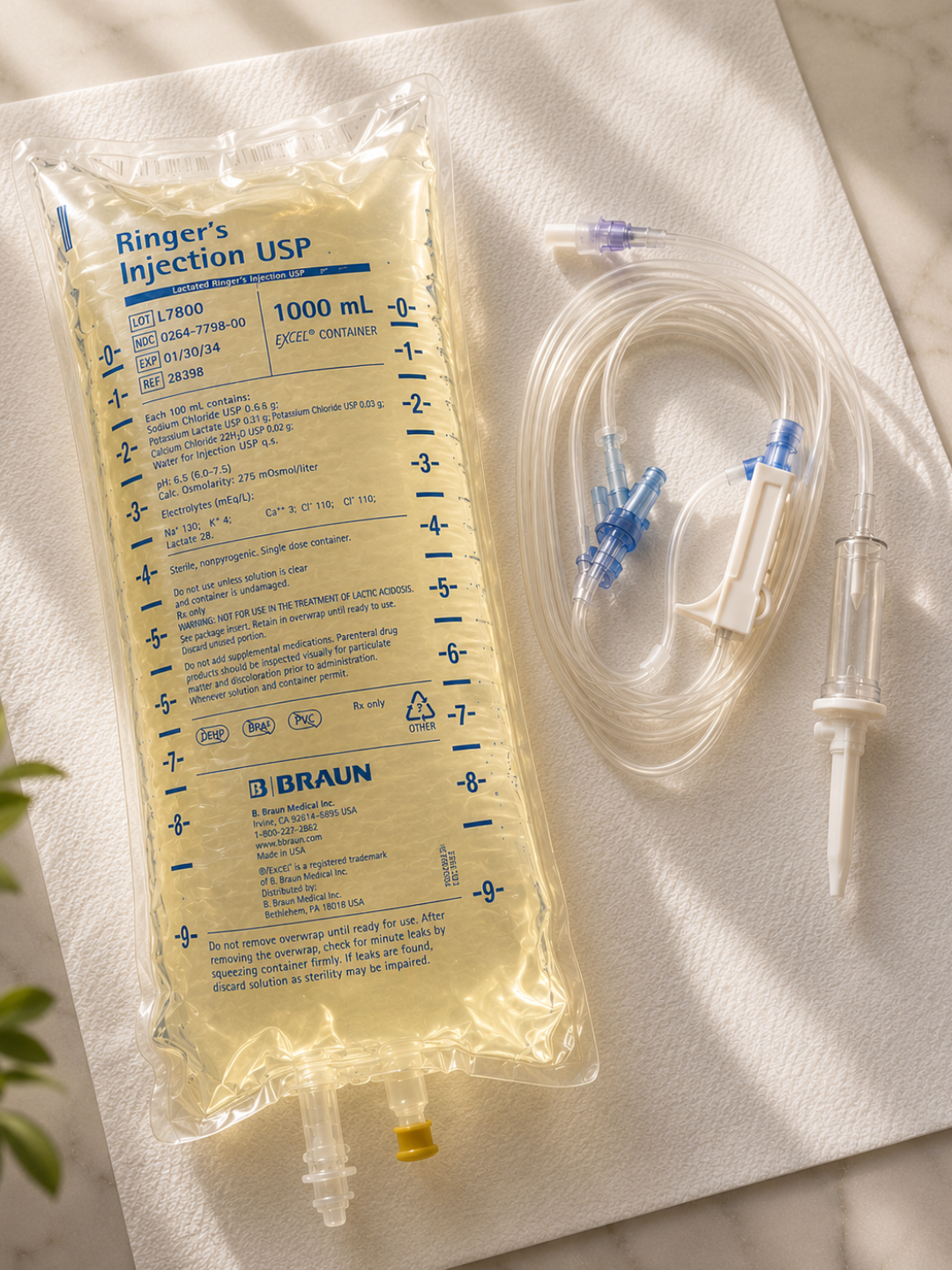
Sometimes the issue isn't simply replacing fluids—it's that your body can't absorb them quickly enough, or you're losing them faster than you can drink them.
IV hydration may be appropriate when oral hydration is difficult or insufficient, particularly if you're unable to keep fluids down or are becoming increasingly dehydrated.[4]
Persistent Vomiting or Diarrhea
Repeated gastrointestinal losses can quickly lead to dehydration and electrolyte imbalances.[6,7]
If you're unable to keep fluids down, drinking more water alone may not be enough. For a more detailed discussion of dehydration during acute illnesses—including warning signs that should prompt medical evaluation—see
Can IV Therapy Help When You're Sick? A Bremerton Guide.
Heat-Related Dehydration
Working outdoors, participating in endurance events, or prolonged exposure to high temperatures can result in significant fluid losses. [2-4]
When symptoms such as dizziness, weakness, rapid heart rate, or feeling faint develop despite drinking fluids, medical evaluation may be appropriate.[3,4]
Migraine Attacks
Many people experiencing migraines become dehydrated because nausea makes drinking fluids difficult.
Hydration may be one component of a physician-directed treatment plan, depending on the underlying cause of the headache. If your symptoms also include difficulty concentrating or persistent mental fatigue, our article
Why Do I Have Brain Fog? 9 Common Causes Including Dehydration, Iron Deficiency, and Stress discusses why dehydration is only one of many potential causes.
Before or After Surgery
Fasting before surgery and reduced oral intake afterward can contribute to temporary dehydration [1].
For selected patients, physician-directed hydration before or after elective procedures may help support recovery, although it is
not a substitute for your surgeon's or anesthesiologist's recommendations. We explore this topic in greater depth in
Preparing for Surgery: Why Hydration Matters Before and After Your Procedure
Medical Conditions Associated with Dehydration
Certain medical conditions make maintaining hydration more difficult.
Examples include:
These patients should always follow the recommendations of their treating physician. For readers living with autonomic disorders,
IV Therapy for POTS: Can Hydration Help with Fatigue, Dizziness, and Brain Fog? explains what current evidence suggests about the role hydration may play in symptom management.
Does Everyone Need Vitamins Added?
No.
Not every patient benefits from additional vitamins or nutrients.
The decision depends on your medical history, symptoms, medications, nutritional status, laboratory findings, and treatment goals. Likewise, dehydration is not the only explanation for fatigue or poor exercise tolerance.
Iron Infusions: What to Expect Before, During, and After Treatment explains how iron deficiency can produce symptoms that often overlap with dehydration, while
Why Do I Have Brain Fog? 9 Common Causes Including Dehydration, Iron Deficiency, and Stress reviews several other common medical causes of fatigue and impaired concentration.
The Bottom Line
Hydration isn't about choosing between water and IV therapy.
It's about choosing the right tool for the right situation.
For most people, drinking water remains the healthiest first choice [1, 2].
But when dehydration becomes significant, oral intake isn't possible, or medical conditions make hydration more challenging, physician-directed IV hydration may be an appropriate supportive treatment for carefully selected patients.
If your symptoms persist despite adequate hydration, remember that dehydration is only one piece of the puzzle.
The most important question isn't:
"Should I get an IV?"
It's:
"What is causing my symptoms, and what is the safest way to treat them?"
That's where an individualized medical evaluation makes all the difference.
References
1. National Academies of Sciences, Engineering, and Medicine. Dietary Reference Intakes for Water, Potassium, Sodium, Chloride, and Sulfate. Washington, DC: National Academies Press; 2005.
https://nap.nationalacademies.org/catalog/10925/dietary-reference-intakes-for-water-potassium-sodium-chloride-and-sulfate
2. Popkin BM, D'Anci KE, Rosenberg IH. Water, Hydration, and Health. Nutrition Reviews. 2010;68(8):439-458.
https://academic.oup.com/nutritionreviews/article/68/8/439/1841926
3. Thomas DT, Erdman KA, Burke LM. Position of the Academy of Nutrition and Dietetics, Dietitians of Canada, and the American College of Sports Medicine: Nutrition and Athletic Performance. J Acad Nutr Diet. 2016;116(3):501-528.
https://www.jandonline.org/article/S2212-2672(15)01802-X/fulltext
4. Centers for Disease Control and Prevention (CDC), National Institute for Occupational Safety and Health (NIOSH). Workplace Recommendations: Heat. Updated August 12, 2024.
https://www.cdc.gov/niosh/heat-stress/recommendations/
5. Shane AL, Mody RK, Crump JA, et al. 2017 Infectious Diseases Society of America Clinical Practice Guidelines for the Diagnosis and Management of Infectious Diarrhea. Clin Infect Dis. 2017;65(12):e45-e80.
https://academic.oup.com/cid/article/65/12/e45/4157616
6. Riddle MS, DuPont HL, Connor BA. ACG Clinical Guideline: Diagnosis, Treatment, and Prevention of Acute Diarrheal Infections in Adults. Am J Gastroenterol. 2016;111(5):602-622.
https://journals.lww.com/ajg/fulltext/2016/05000/acg_clinical_guideline__diagnosis,_treatment,.14.aspx
7. Mueller SM, Anliker E, Knechtle P, et al. Hydration for Adult Patients in Clinical Practice. Nutrients. 2022;14(20):4264.
https://www.mdpi.com/2072-6643/14/20/4264