1. Volume Depletion and Dehydration
One of the most common causes of dizziness is inadequate circulating volume resulting from dehydration.
Fluid losses may occur from:
- Gastrointestinal illness
- Fever
- Exercise
- Heat exposure
- Inadequate oral intake
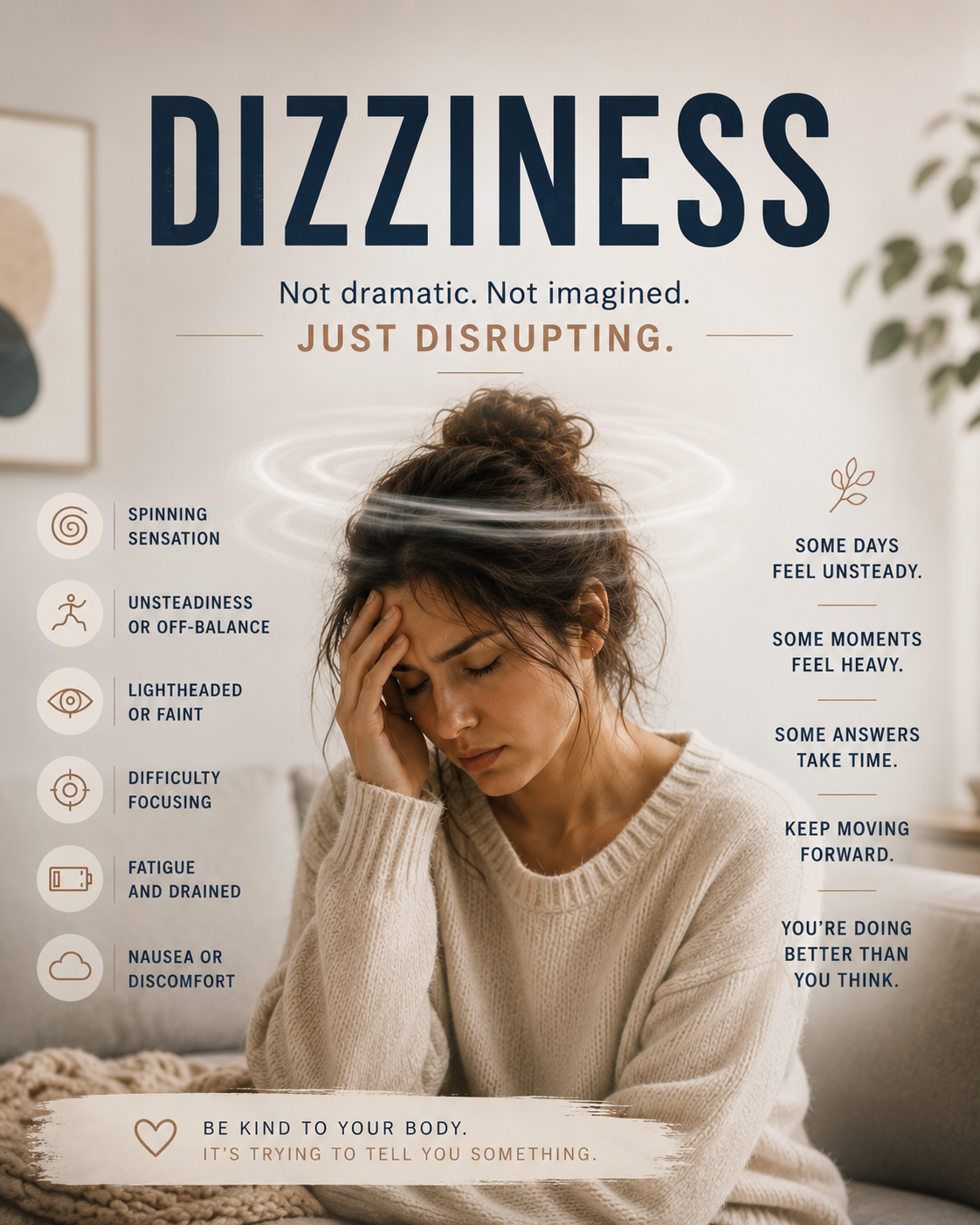
When intravascular volume decreases, compensatory cardiovascular responses may be insufficient to maintain cerebral perfusion during positional changes, resulting in symptoms such as:
- Lightheadedness
- Near-syncope
- Fatigue
- Headache
- Reduced exercise tolerance
Studies have demonstrated associations between dehydration and impaired cognitive performance, mood, and concentration.[1][2]
Related reading:
Persistent Dehydration in Silverdale: When IV Hydration May Help — Learn why some people continue experiencing dehydration symptoms despite increasing their fluid intake.
2. Iron Deficiency and Reduced Oxygen Delivery
Iron deficiency remains one of the most common nutritional deficiencies worldwide and may contribute to symptoms even before overt anemia develops.[3]
Patients may report:
- Fatigue
- Exercise intolerance
- Dizziness
- Brain fog
- Dyspnea with exertion
- Palpitations
Women with heavy menstrual bleeding, postpartum patients, endurance athletes, and individuals with gastrointestinal disorders may be at increased risk.
3. Orthostatic Intolerance and POTS
Dizziness occurring predominantly after standing may suggest an orthostatic disorder.
POTS is characterized by excessive heart rate increase upon standing and commonly presents with:
- Lightheadedness
- Presyncope
- Brain fog
- Fatigue
- Exercise intolerance
- Palpitations
Hydration status often influences symptom severity in affected individuals.[4]
Related reading:
IV Therapy for POTS: Can Hydration Help with Fatigue, Dizziness, and Brain Fog? — Explore the relationship between hydration status, dizziness, fatigue, and orthostatic intolerance.
4. Post-Viral and Illness Recovery States
Following viral illnesses, patients may experience transient autonomic dysfunction, reduced conditioning, inadequate oral intake, and persistent fatigue.
Common symptoms include:
- Dizziness
- Fatigue
- Brain fog
- Reduced exercise capacity
5. Blood Pressure Dysregulation
Orthostatic hypotension may occur when blood pressure falls during positional changes.
Patients frequently describe:
- Lightheadedness
- Visual dimming
- Weakness
- Near-syncope
Older adults and individuals taking antihypertensive medications may be at increased risk.
6. Autonomic Activation, Stress, and Hyperventilation
Stress-related physiologic responses can contribute to dizziness through changes in respiratory patterns, autonomic tone, sleep quality, and hydration habits.
Patients may report:
- Lightheadedness
- Brain fog
- Chest tightness
- Palpitations
- Difficulty concentrating
7. Sleep Deprivation
Sleep deficiency adversely affects cognition, balance, autonomic regulation, and overall physiologic recovery.[5]
Associated symptoms may include:
- Dizziness
- Fatigue
- Reduced concentration
- Slower reaction times
Related reading:
Why Do I Have Brain Fog? 9 Common Causes Including Dehydration, Iron Deficiency, and Stress — Brain fog, fatigue, and dizziness frequently overlap and may share common underlying causes.
8. Blood Glucose Fluctuations
Irregular nutritional intake may contribute to symptoms such as:
- Weakness
- Dizziness
- Tremulousness
- Difficulty concentrating
When Should Dizziness Be Evaluated?
Because dizziness can sometimes be associated with more serious medical conditions, seek medical attention if symptoms are:
- Severe
- Persistent
- Worsening
- Associated with chest pain
- Associated with fainting
- Accompanied by weakness, vision changes, or concerning neurological symptoms
Supporting Recovery and Wellness When You're Feeling Run Down
When symptoms such as dehydration, fatigue, illness recovery, stress, or prolonged physical exhaustion leave you feeling depleted, some individuals look for supportive wellness approaches while also addressing potential underlying causes.
AQUA Recovery MAX is our most comprehensive recovery-focused hydration formula, designed for individuals seeking support beyond hydration alone. In addition to hydration and electrolyte replenishment, the formulation is designed to support recovery, overall wellness, and physiologic balance during periods of increased physical or mental stress.
For more targeted support, explore:
References
[1] Zhang N, Du SM, Zhang JF, Ma GS. *Effects of Dehydration and Rehydration on Cognitive Performance and Mood Among Male College Students in Cangzhou, China: A Self-Controlled Trial.* International Journal of Environmental Research and Public Health. 2019;16(11):1891.
https://www.mdpi.com/1660-4601/16/11/1891
[2] Adan A. *Cognitive Performance and Dehydration.* Journal of the American College of Nutrition. 2012;31(2):71–78.
https://pubmed.ncbi.nlm.nih.gov/22855911/
[3] Camaschella C. *Iron Deficiency.* New England Journal of Medicine. 2015;372(19):1832–1843.
https://www.nejm.org/doi/full/10.1056/NEJMra1401038
[4] Arnold AC, Ng J, Raj SR. *Postural Tachycardia Syndrome – Diagnosis, Physiology, and Prognosis.* Autonomic Neuroscience. 2018;215:3–11.
https://www.sciencedirect.com/science/article/pii/S1566070218300490
[5] Medic G, Wille M, Hemels ME. *Short- and Long-Term Health Consequences of Sleep Disruption.* Nature and Science of Sleep. 2017;9:151–161.
https://www.ncbi.nlm.nih.gov/pmc/articles/PMC5449130/
Frequently Asked Questions (FAQ)
Can dehydration cause dizziness?
Yes. Dehydration can contribute to dizziness, lightheadedness, fatigue, headaches, and reduced concentration. When the body does not have adequate fluid volume, symptoms may become more noticeable, especially during activity or positional changes.
Can low iron cause dizziness even if I am not anemic?
Yes. Some individuals with low iron stores may experience symptoms such as fatigue, dizziness, reduced exercise tolerance, brain fog, and weakness before iron deficiency anemia develops.
Why do I feel dizzy when I stand up?
Dizziness upon standing may be associated with dehydration, blood pressure changes, orthostatic intolerance, POTS, certain medications, or other medical conditions. Persistent symptoms should be evaluated by a healthcare professional.
Can POTS cause dizziness and brain fog?
Yes. Individuals with Postural Orthostatic Tachycardia Syndrome (POTS) commonly report dizziness, lightheadedness, fatigue, brain fog, palpitations, and exercise intolerance. Symptoms often become more noticeable after standing.
When should dizziness be evaluated by a doctor?
Medical evaluation is recommended for dizziness that is severe, persistent, worsening, associated with fainting, chest pain, shortness of breath, neurological symptoms, or significant interference with daily activities.